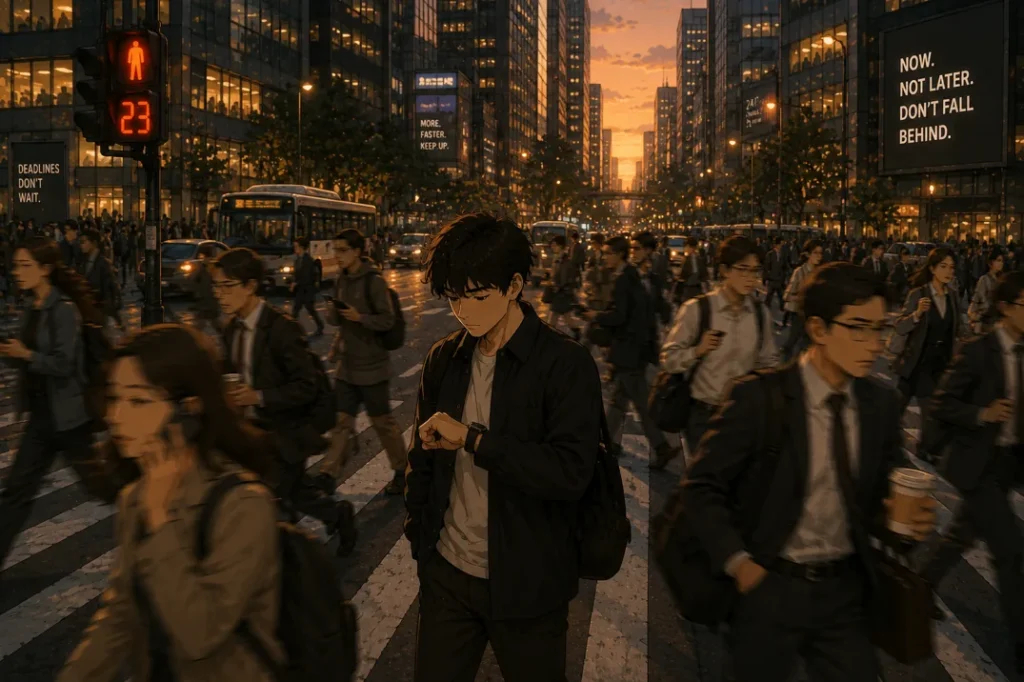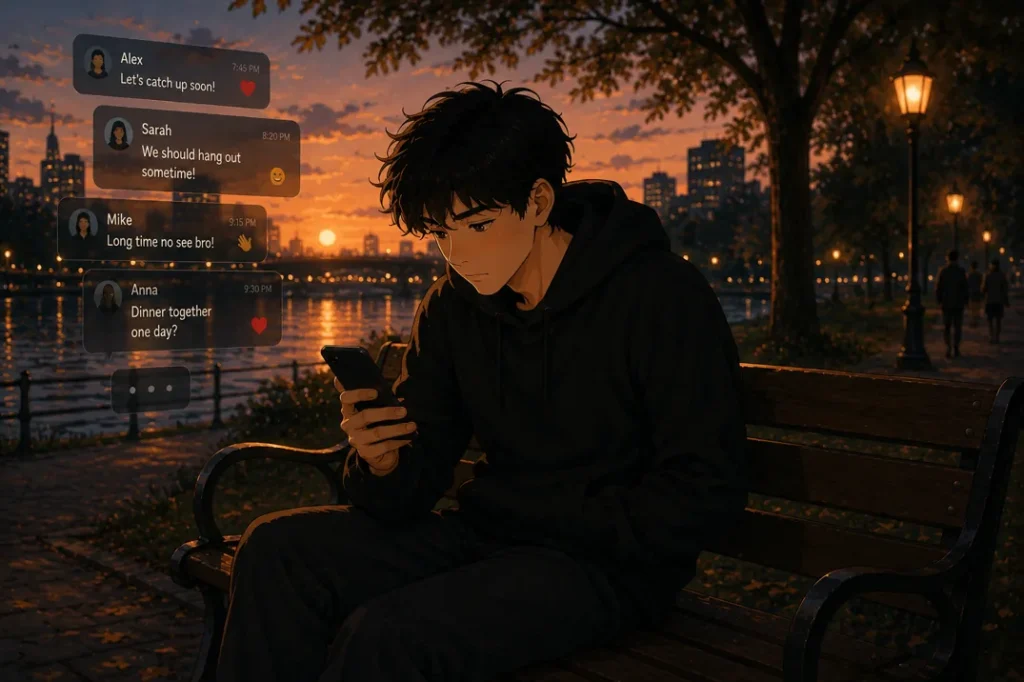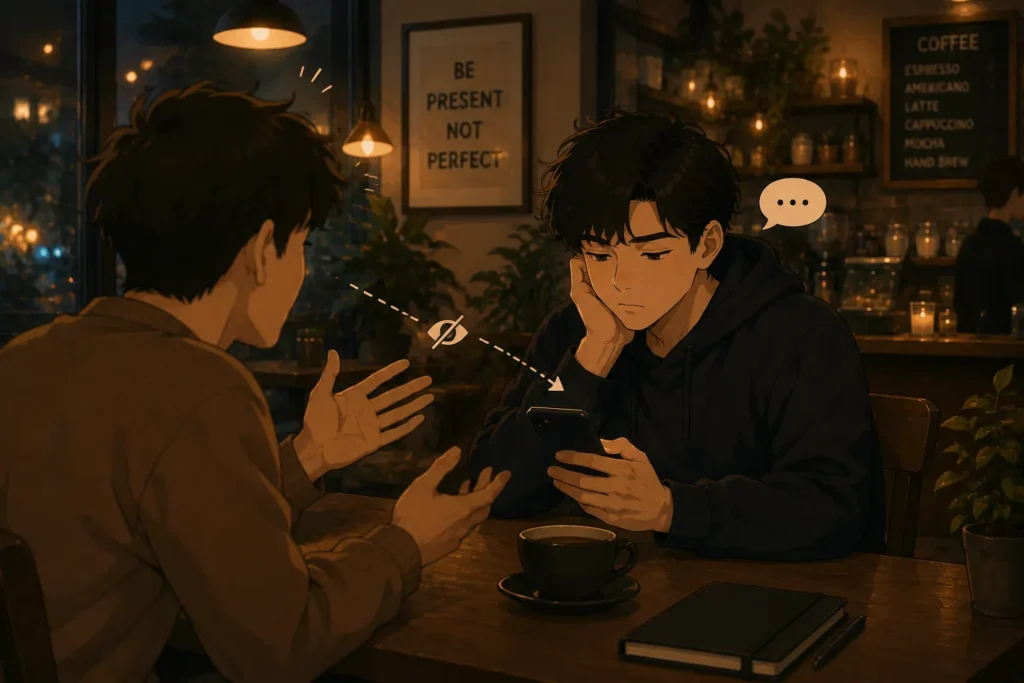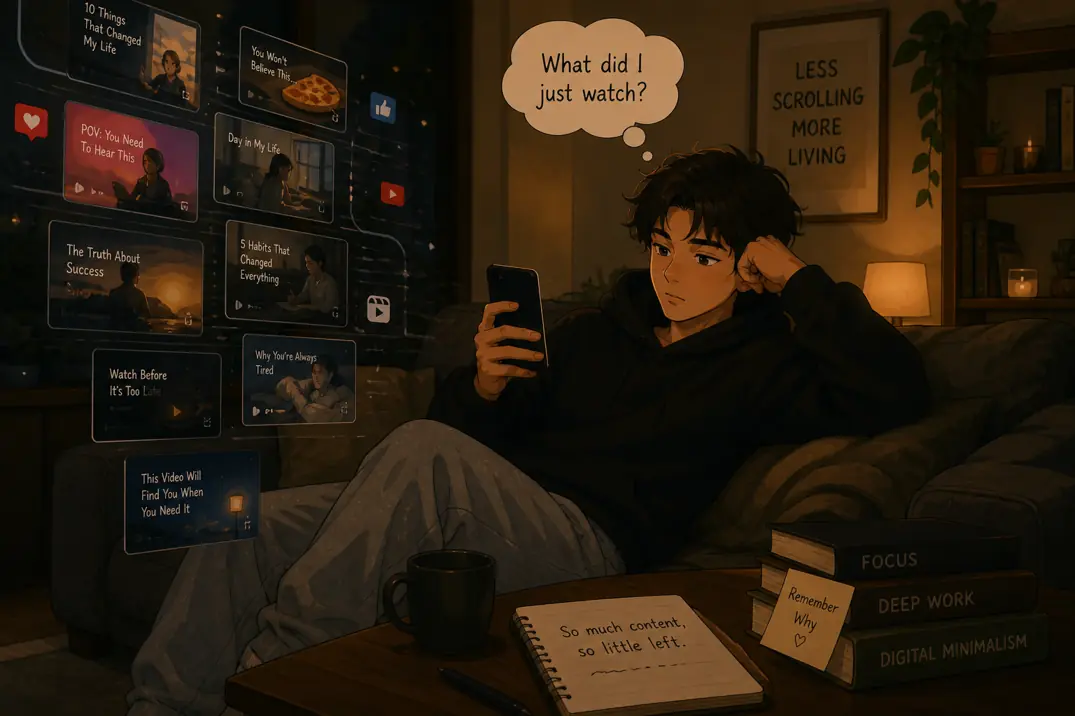
We scroll through endless streams of videos, binge entire seasons in a weekend, and consume more content in a single day than previous generations might have seen in months. Yet ask someone what they watched last week, and you'll often get a blank stare followed by vague recollections. People are watching more content — but remembering less of it, a peculiar trade-off that reveals something unsettling about how we engage with media today.
We're Swimming in an Ocean of Content
The numbers tell a stark story. The average person encounters hundreds of videos, posts, and shows daily across multiple platforms. Where families once gathered around a single television set for appointment viewing, we now carry entire libraries of entertainment in our pockets. Netflix releases entire seasons at once. YouTube serves up an endless buffet of clips. Social media feeds refresh with new videos every few seconds.
This abundance feels like freedom, but it comes with an unexpected cost. When everything is available, nothing feels as memorable. The scarcity that once made content special—waiting for your favorite show, discussing it with friends the next day—has vanished. Instead, we face an overwhelming menu of choices that paradoxically makes each individual piece of content feel less significant.
Every Screen Competes for Our Attention
Content creators understand this competition intimately. They design thumbnails to grab attention in milliseconds and craft opening moments that hook viewers before they scroll away. The result is a media landscape optimized for initial engagement rather than lasting impact, where the first few seconds matter more than the overall experience.
Our Divided Attention Changes Everything
Watch people consume content today, and you'll notice something peculiar: they're rarely doing just one thing. Someone streams a series while checking their phone, scrolls through social media during commercial breaks, or keeps multiple browser tabs open simultaneously. This fractured attention fundamentally changes how we process what we're watching.
Multitasking feels efficient, but it undermines the very engagement that creates lasting memories. When part of your brain is composing a text message, less mental energy remains to absorb the plot twist or appreciate the cinematography. The content becomes background noise rather than a focused experience.
The Myth of Effortless Absorption
We tell ourselves we can absorb everything simultaneously, but memory formation requires attention. The moments that stick with us—the scenes we quote years later, the episodes that shaped our thinking—typically came from times when we gave them our full focus. Divided attention creates the illusion of consumption without the substance of genuine engagement.
Quantity Has Replaced Quality Time
The shift from depth to volume affects more than individual viewing habits. It reshapes our entire relationship with media. Previous generations might have watched fewer shows but knew them intimately—every character, every running joke, every memorable quote. Today's viewers sample vast amounts of content but often struggle to recall basic plot points from shows they watched recently.
This isn't because current content lacks quality. Many of today's productions surpass anything from previous decades in technical sophistication and storytelling complexity. The problem lies in how we consume them. Racing through content leaves little time for reflection, discussion, or the mental processing that transforms fleeting entertainment into lasting memory.
The Binge-Watching Paradox
Binge-watching exemplifies this paradox perfectly. Viewers can consume an entire season in a day, yet often remember less about it than they would from watching episodes weekly over months. The compressed timeframe prevents the natural reflection and anticipation that help cement experiences in memory.
Algorithms Keep Us Moving
Streaming platforms and social media sites have mastered the art of seamless transitions. As soon as one video ends, another begins. Recommendation algorithms analyze viewing patterns to serve up the next piece of content before viewers can pause to reflect on what they just watched.
This design serves business interests perfectly—engagement metrics improve when users consume more content—but it works against memory formation. The brief moments between content pieces, when we might normally process what we've just experienced, disappear in favor of immediate gratification.
The Endless Scroll Effect
Social media feeds exemplify this phenomenon. Users scroll through hundreds of videos in a single session, each one disappearing as soon as the next appears. The constant forward motion prevents the mental pause required to move experiences from short-term to long-term memory.
Content Becomes Emotionally Disposable
Speed consumption changes not just what we remember, but how deeply we feel about it. Content consumed quickly rarely generates the emotional investment that creates lasting attachment. We might enjoy something in the moment, but without time to reflect or discuss it, that enjoyment fades quickly.
The social aspect of media consumption has shifted dramatically too. Instead of gathering to watch something together and discussing it afterward, we often consume content alone and move immediately to the next item. This isolation eliminates the conversations that help reinforce memories and deepen understanding.
Our Brains Struggle With the Overload
Human memory evolved for a world with far less information input. Our brains excel at remembering significant events and experiences that receive focused attention, but they struggle when overwhelmed with constant stimulation. Too much input makes individual content harder to recall because each piece competes with countless others for mental storage space.
It's not that content is worse. It's that we're not giving it enough attention to matter. The problem isn't the quality of what we're watching—it's the fractured, hurried way we're watching it. Until we recognize this trade-off between quantity and memory, we'll continue consuming more while remembering less, living in an endless present of fleeting entertainment that leaves surprisingly little lasting impression.