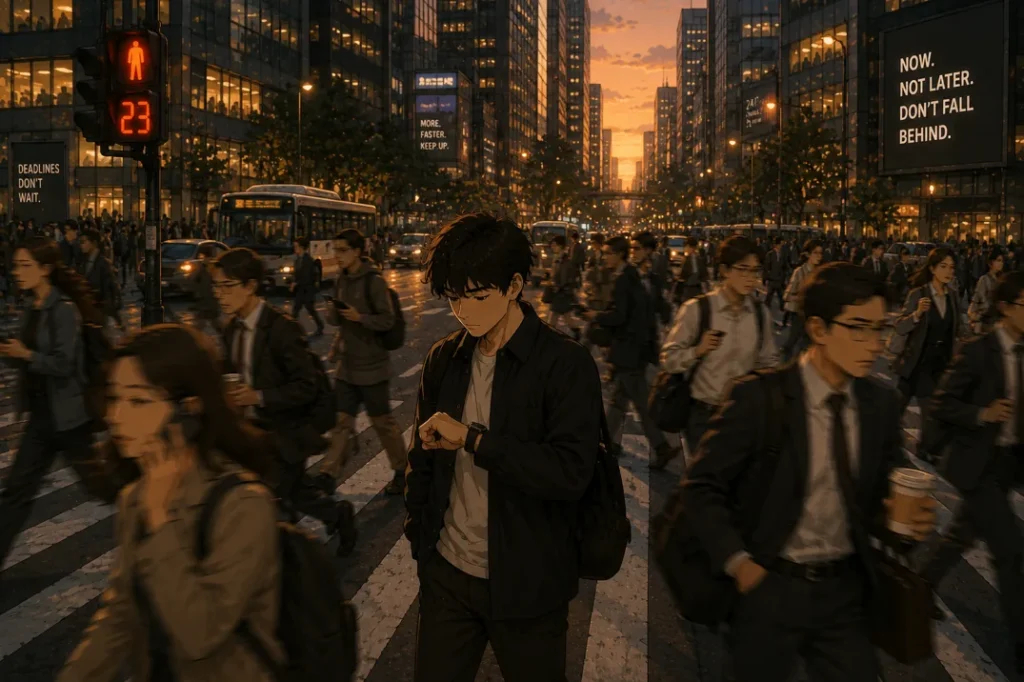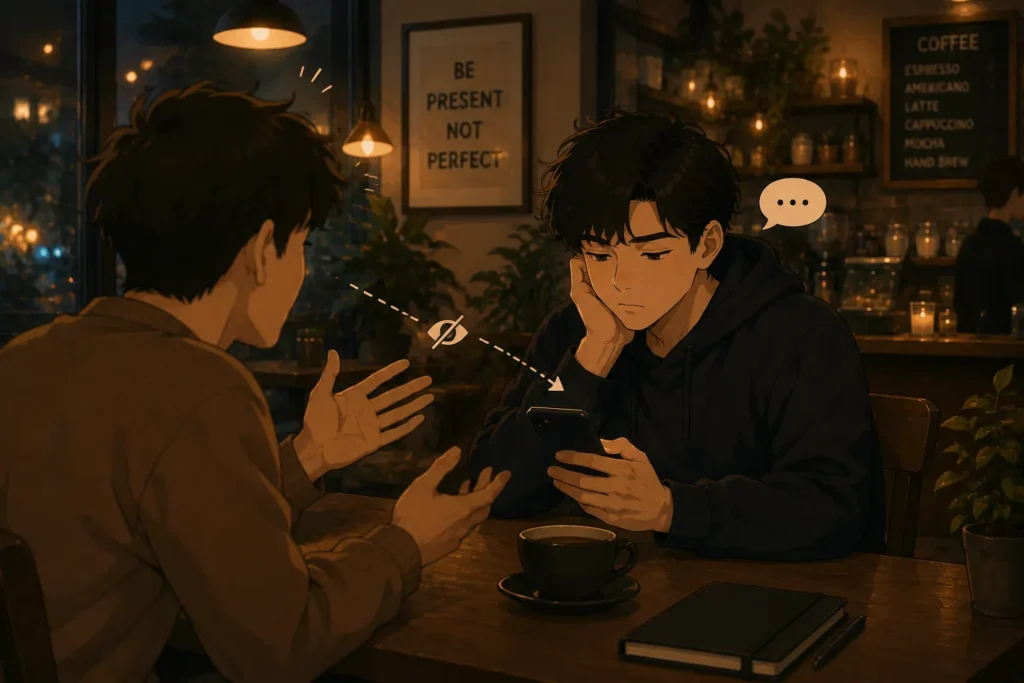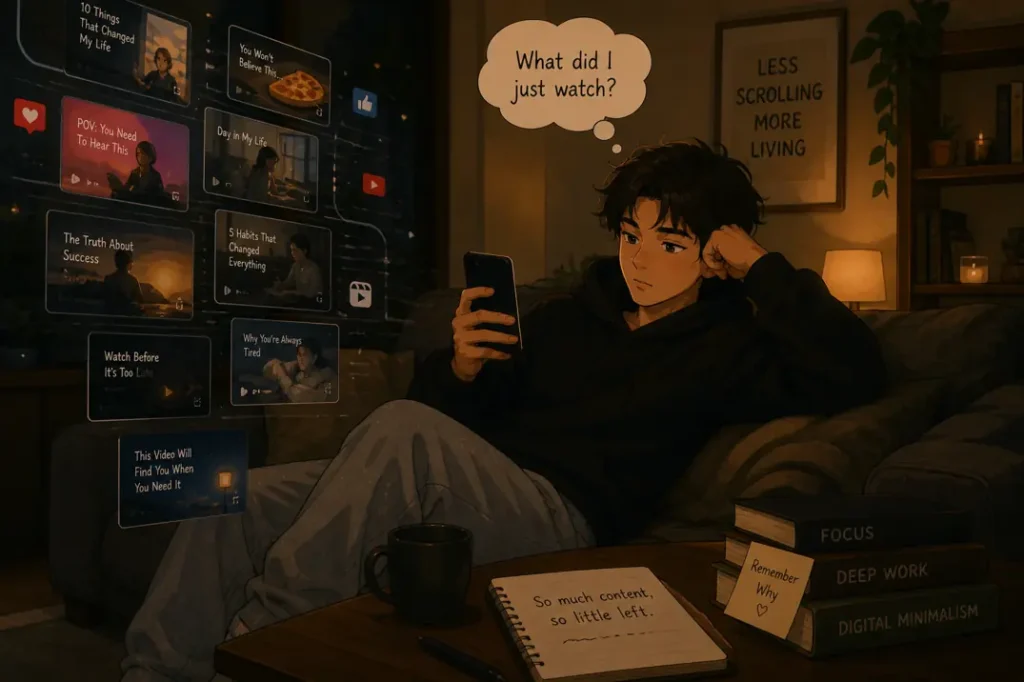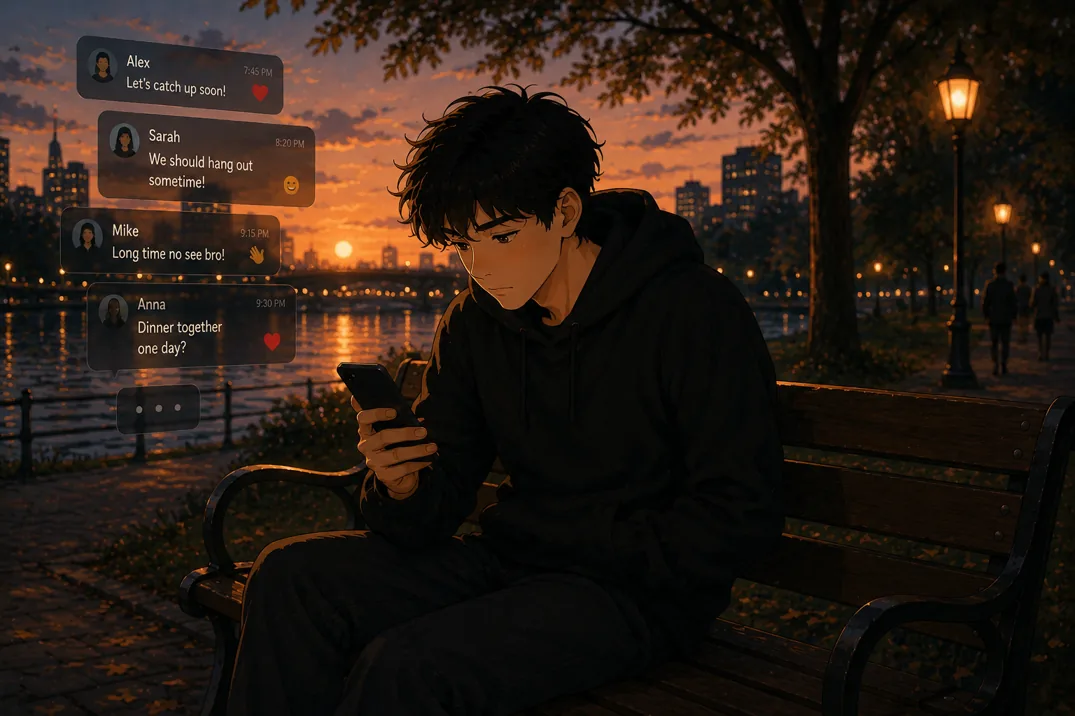
Check your phone right now. Chances are you'll see recent updates from dozens of friends—vacation photos, work celebrations, random thoughts. You know what they had for lunch, where they went last weekend, even how they feel about the weather. Yet when did you last have a real conversation with any of them? This paradox captures something fundamental about modern friendship: people are more connected online than ever, but friendship feels harder to maintain.
The promise of social media was simple—stay close to everyone, effortlessly. Instead, we've created a system where visibility masquerades as intimacy, where knowing about someone's life replaces actually sharing in it.
Digital Updates Replace Real Conversations
Social media feeds create a peculiar form of pseudo-intimacy. You see Sarah's promotion announcement, Mike's new apartment photos, and Jessica's weekend hiking trip. This constant stream of information generates a feeling of staying current with friends' lives, but it's a shallow substitute for genuine interaction.
The problem isn't the updates themselves—it's how they satisfy our social curiosity without requiring emotional investment. You feel informed about your college roommate's career change because you saw the LinkedIn post, but you never actually talked through her decision-making process or offered support during the transition. The update provided information, not connection.
Seeing Someone's Life Isn't the Same as Sharing It
This creates a strange distance disguised as closeness. You might know more facts about a distant friend's daily routine than previous generations ever would, yet feel less emotionally connected to them than friends who only exchanged letters twice a year. Knowledge without interaction breeds familiarity, not friendship.
Friendship Maintenance Demands Energy We Often Don't Have
Real friendships require consistent emotional investment—remembering important details, checking in during difficult times, celebrating successes together. This kind of attention demands mental bandwidth that many adults struggle to maintain while juggling work deadlines, family responsibilities, and personal stress.
The result is friendship triage. You default to easier, lower-energy forms of social contact: liking posts, sending memes, or firing off quick texts. These interactions feel social enough to satisfy the immediate urge to connect, but they don't build the deeper bonds that sustain friendship through challenges.
Mental Fatigue Makes Consistency Difficult
After a demanding workday, crafting a thoughtful message to check on a struggling friend can feel overwhelming. It's easier to heart-react their post and move on. This isn't callousness—it's cognitive overload. But friendships don't understand the difference between being genuinely busy and being emotionally unavailable.
Passive Engagement Becomes the Default
Online platforms train us toward passive social participation. Liking, sharing, and commenting require minimal effort compared to initiating conversations or making plans. This passive approach gradually becomes our primary social mode, even though it can't sustain meaningful relationships.
The design of social media rewards this behavior. Platforms want engagement, not deep connections, so they make passive interaction feel socially sufficient. You can spend an hour scrolling through friends' content, occasionally reacting or commenting, and feel like you've been social without actually connecting with anyone.
Quick Reactions Replace Thoughtful Communication
Consider how different it feels to receive a heart emoji on your post versus getting a personal message asking how you're really doing. Both represent social acknowledgment, but only one opens space for actual relationship building. Yet the heart is so much easier to give and receive that it becomes the standard currency of digital friendship.
Digital Visibility Masks Growing Emotional Distance
The most unsettling aspect of modern friendship challenges is how disconnection can hide behind constant visibility. You see friends regularly in your feeds, so relationship drift feels less obvious than it would have when friendships simply faded through lack of contact.
This creates a false sense of relationship security. You assume the friendship is intact because you maintain digital awareness of each other's lives, even as the emotional bond weakens from lack of meaningful interaction. By the time you notice the distance, it can feel awkward to bridge—too much time has passed in pseudo-connection to easily return to genuine intimacy.
Constant Updates Can Prevent Deeper Check-ins
When you already know the basic facts of someone's life through social media, reaching out can feel redundant. What do you ask about when you've already seen their recent highlights? This paradox makes previously natural conversation starters feel forced or unnecessary.
Adult Friendships Need Intentional Planning to Survive
Unlike childhood or college friendships that flourished through regular proximity, adult friendships require deliberate effort to maintain. Without shared classes, dorm halls, or natural gathering spaces, friends must actively choose to prioritize each other's company.
This shift from organic to intentional friendship maintenance creates new challenges. Scheduling conflicts, geographic distance, and competing priorities mean that friendships survive only when both people consistently choose to make them a priority. Many relationships that once felt effortless now require the kind of planning typically reserved for professional meetings.
Spontaneous Connection Becomes Nearly Impossible
The days of dropping by a friend's place unannounced or running into someone at regular hangout spots are largely gone for most adults. Instead, friendship requires calendar coordination, advance planning, and mutual commitment to follow through despite competing demands.
We Know About Friends Without Feeling Close to Them
Perhaps the strangest feature of contemporary friendship is how familiarity can exist without intimacy. You might know extensive details about an old friend's current life—their job, relationship status, recent travels, political opinions—while feeling emotionally distant from them as a person.
This phenomenon reveals something crucial about human connection: intimacy isn't built through information exchange but through shared vulnerability, mutual support, and consistent emotional presence. Social media provides the information without the emotional labor, creating relationships that feel simultaneously current and superficial.
The challenge isn't that people care less about friendship than previous generations. Instead, we're struggling to maintain emotional depth in social systems designed around surface-level interaction. Connection today is highly visible—but visibility is not the same as closeness. Real friendship still requires the same ingredients it always has: time, attention, vulnerability, and genuine care. The difference is that now we must choose these deliberately, resisting the easier alternative of staying connected without truly connecting.