People Are Listening Less — Even During Conversations: Why Attention Has Become So Hard to Give
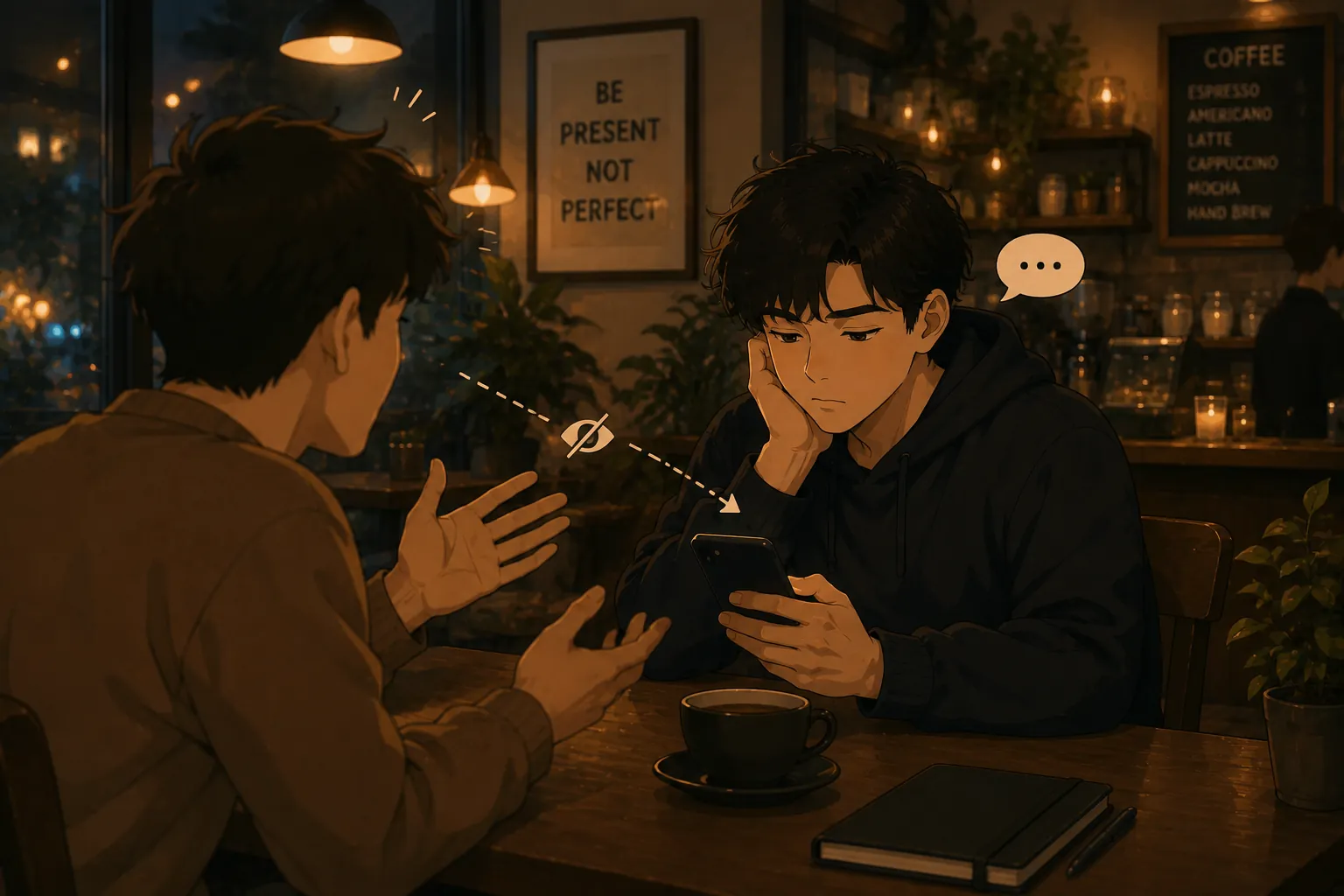
You're telling a story to someone across the table, and halfway through, you notice their eyes have that distant look. They nod at the right moments, but something feels off. When you finish, their response tells you they caught maybe half of what you said. This scene plays out everywhere now—in coffee shops, living rooms, and office meetings. People are listening less, even during face-to-face conversations, and the reasons go deeper than simple rudeness or disinterest.
Our Attention Gets Pulled in Too Many Directions
The human brain wasn't designed to juggle the constant stream of inputs we face today. Even when phones are tucked away, the mental habit of divided attention lingers. During conversations, part of our mind stays alert for the next notification, replays an earlier email, or cycles through tomorrow's tasks.
Notifications Train Us to Expect Interruption
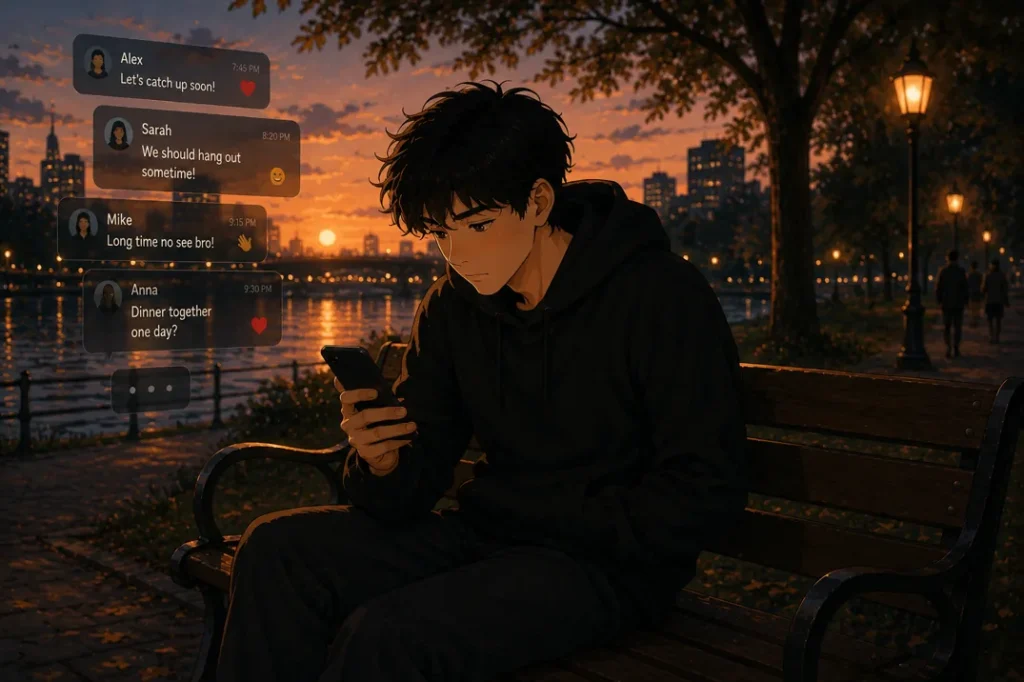
Most people receive dozens of notifications daily—texts, emails, app alerts, calendar reminders. This creates a mental state where interruption becomes normal. Even in quiet moments, the brain stays primed for the next ping, making sustained focus on one person's words feel unnatural.
The spillover effect is real. Someone might silence their phone for dinner, but their attention still fragments as thoughts jump between topics. What started as external distraction becomes an internal pattern that's hard to break.
We Listen Just Long Enough to Form Our Response
Many conversations have shifted from exchanges of understanding to rapid-fire exchanges of reactions. Instead of absorbing what someone says, listeners mentally prepare their comeback, critique, or related story. The moment they grasp the general direction of a statement, they start crafting their response.
Reactive Listening Replaces Reflective Listening
This reactive mode feels productive—after all, quick responses keep conversations moving. But it creates a shallow loop where people talk past each other rather than with each other. The listener catches keywords and emotional tone but misses nuance, context, and deeper meaning.
Watch any group discussion and you'll see it: someone finishes a sentence, and the next person jumps in immediately, often starting with "Yeah, but…" or "That reminds me of…" These aren't necessarily bad responses, but they signal that listening stopped early.
Digital Communication Rewires How We Process Speech
Years of texting, tweeting, and consuming bite-sized content have trained our brains to process information in chunks. We've become skilled at scanning for key points and moving on quickly. This efficiency works well for digital content but creates problems in real-time conversation.
Short-Form Habits Make Long-Form Listening Harder
Face-to-face dialogue doesn't come with bullet points or summaries. People meander, circle back, and take time to find the right words. For minds accustomed to rapid-fire digital exchanges, this natural pace can feel slow and inefficient.
The result is conversational impatience. Listeners tune out during pauses, mentally fast-forward through detailed explanations, or assume they understand the point before the speaker finishes making it.
Mental Exhaustion Makes Sustained Attention Nearly Impossible
Listening requires energy—more than most people realize. It demands focus, emotional processing, and active engagement. In an era of decision fatigue and cognitive overload, many people simply don't have enough mental resources left for deep listening.
Overwhelmed Minds Default to Surface-Level Processing
After a day of meetings, emails, and constant decision-making, the brain starts running on autopilot. Conversations become another task to manage rather than opportunities for connection. People hear words but struggle to process meaning or emotional subtext.
This isn't intentional disconnection. It's mental self-preservation. When attention becomes a limited resource, the brain conserves it by engaging less deeply with everything, including the people we care about most.
Real Conversations Can't Compete with Digital Stimulation
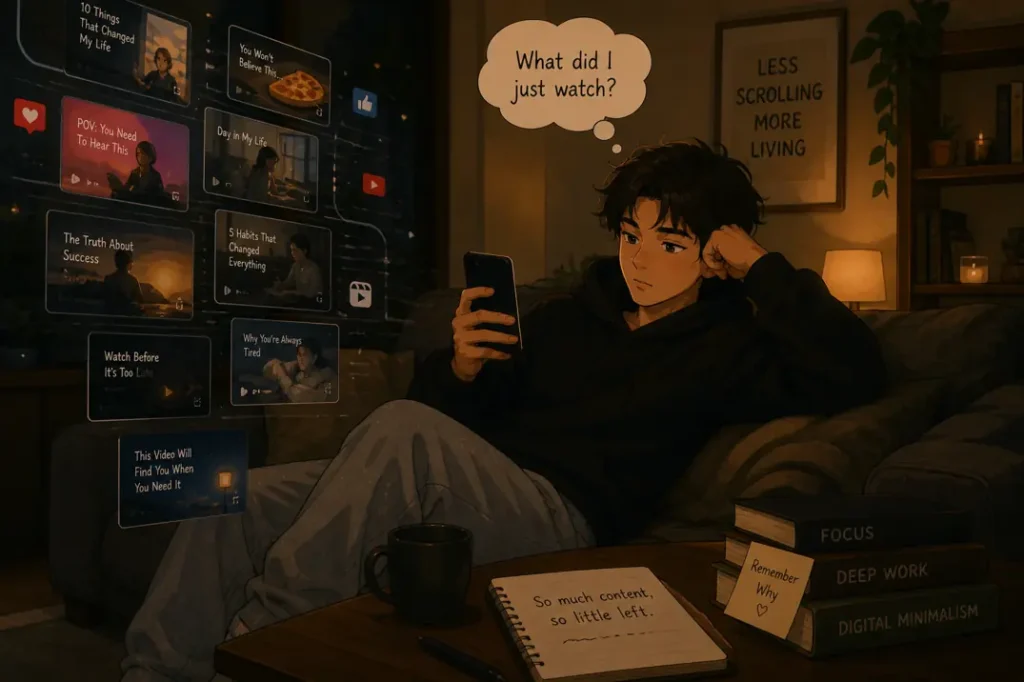
Everyday conversation moves at human pace—slower than videos, less visually engaging than social media, and less immediately rewarding than digital interactions. For brains adapted to constant stimulation, normal dialogue can feel understimulating.
The Stimulation Gap Changes Our Expectations
Digital content delivers quick hits of novelty, humor, or information. Real conversations offer something different—depth, connection, and understanding—but these benefits take time to unfold. In a culture of instant gratification, delayed rewards lose their appeal.
Some people find themselves getting restless during stories that would have held their attention just a few years ago. The problem isn't the story or the storyteller. It's that our baseline for engagement has shifted.
More People Leave Conversations Feeling Unheard
The most telling sign of declining listening skills might be how often people feel misunderstood after talking with others. They finish conversations with the sense that their words bounced off rather than landed. Important details get forgotten, emotional nuances go unnoticed, and follow-up discussions reveal how much was missed.
Feeling Heard Becomes Rare and Precious
When someone does listen fully—making eye contact, asking follow-up questions, remembering details from previous conversations—it stands out dramatically. These interactions feel almost surprisingly satisfying, highlighting how rare genuine attention has become.
This creates a feedback loop. As people experience less attentive listening, they may begin to mirror the behavior, assuming that surface-level engagement is now the norm. The skill of deep listening starts to atrophy from lack of practice and expectation.
The shift toward less attentive listening reflects broader changes in how we process information and relate to each other. Recognizing these patterns is the first step toward reclaiming the ability to be fully present in conversation—a skill that's becoming both rarer and more valuable.