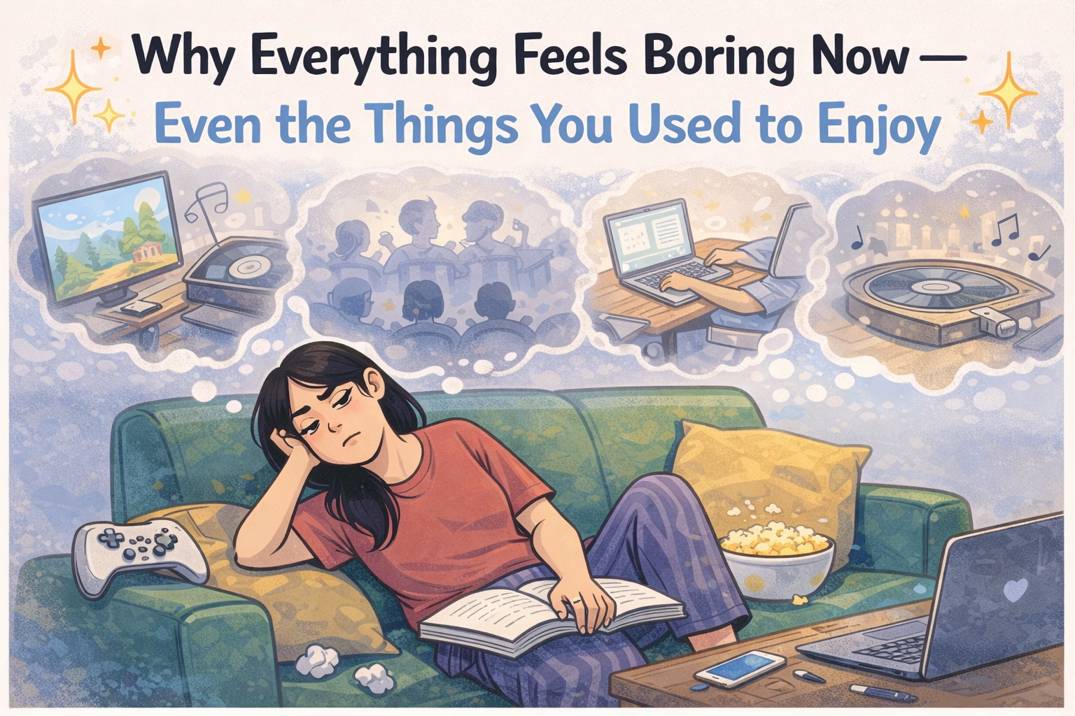
It’s a strange feeling.
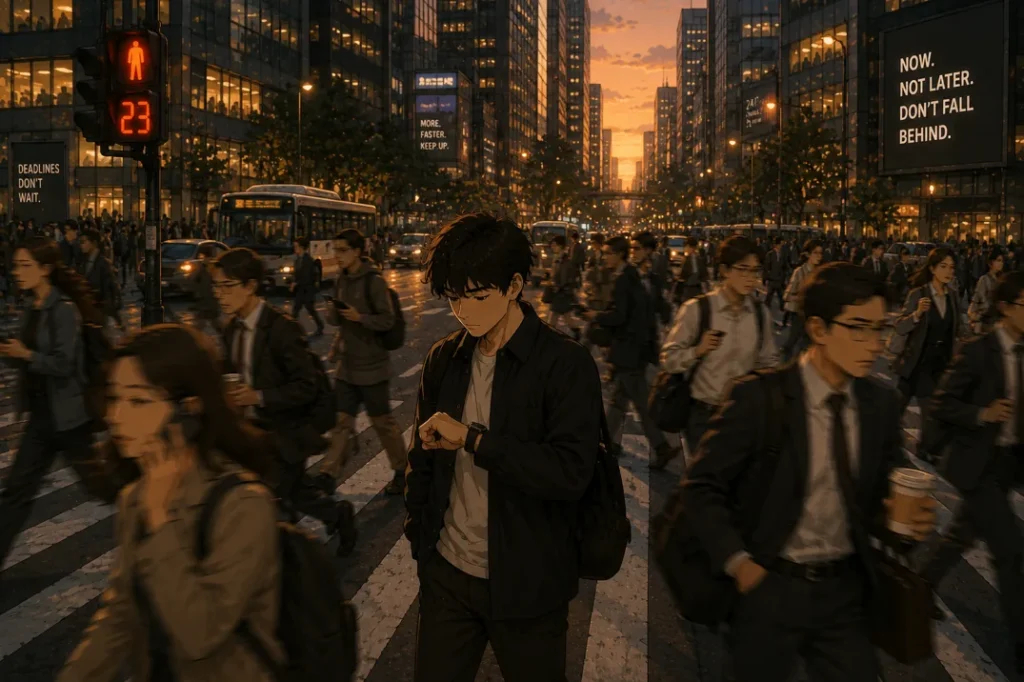
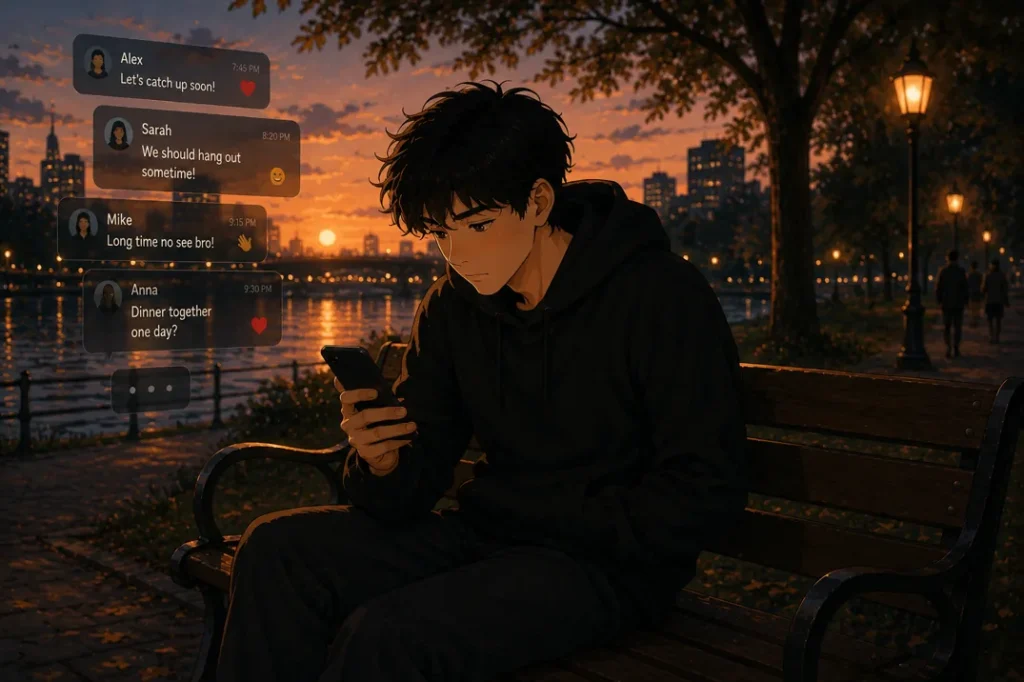
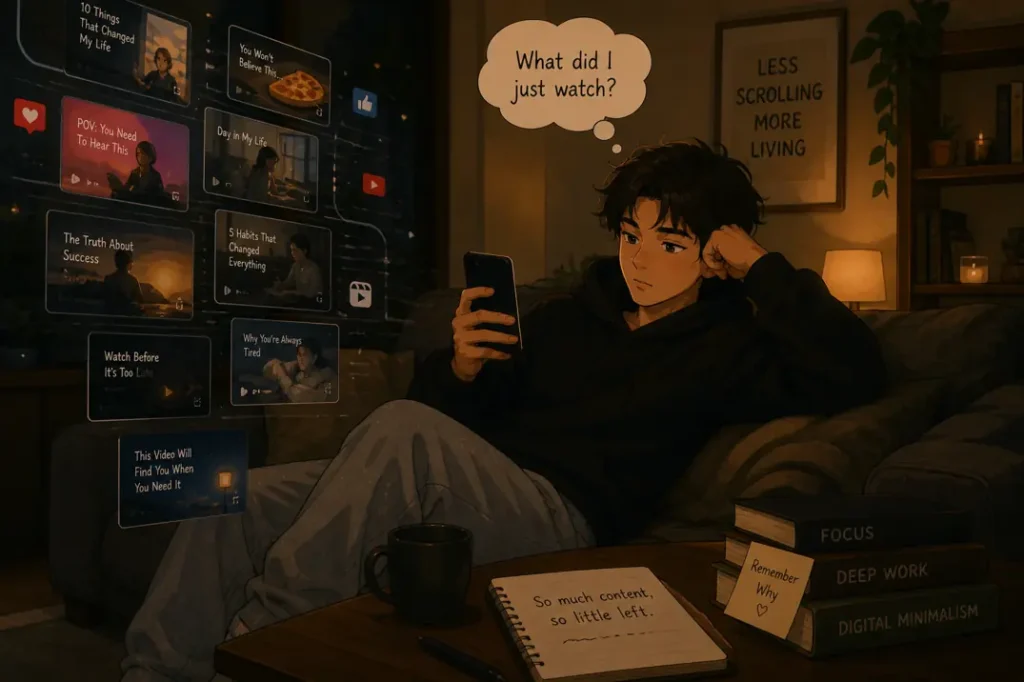
You open your phone, scroll for a while, switch apps, watch something, then stop — not because you’re satisfied, but because nothing feels interesting anymore.
Even things you used to enjoy — movies, hobbies, conversations — don’t hit the same way.
It’s not that life has become more boring. Something else is changing.
The Quiet Disappearance of Interest
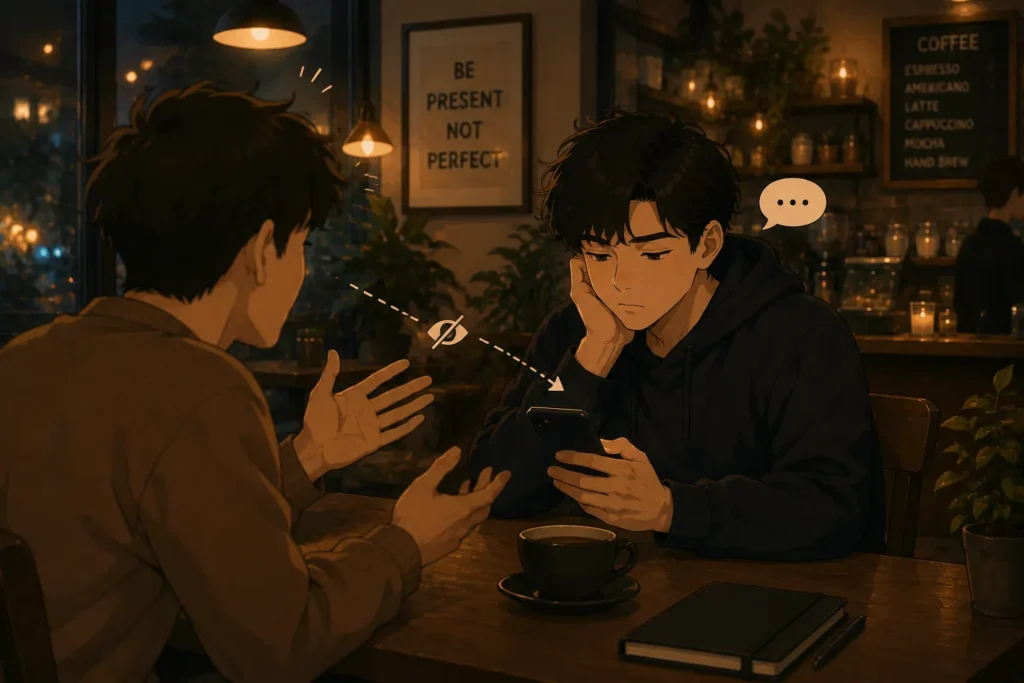
Walk into any coffee shop and you’ll see it: people staring at screens even when they’re with friends, couples scrolling through separate feeds at dinner, students listening to podcasts while supposedly reading for pleasure. Many people are noticing a strange shift happening in their daily lives. Hobbies that once felt engaging now seem to require enormous effort to start. TV shows feel repetitive after just a few episodes. Even personal achievements — getting a promotion, finishing a project, reaching a fitness goal — produce a fleeting sense of satisfaction before fading into emotional flatness.
The change creeps in slowly. You might find yourself abandoning books halfway through, not because they’re poorly written, but because your attention feels scattered. Conversations that used to energize you now feel like work. Weekend activities you once looked forward to start feeling like obligations you have to push yourself through.
This isn’t depression, exactly, though it shares some similarities. It’s more like your brain’s reward system has been quietly recalibrated, leaving everyday pleasures feeling muted and distant.
Our Brains Are Being Rewired by Instant Everything
The culprit isn’t mysterious: daily exposure to endless scrolling, short-form content, and instant gratification is resetting how our brain defines “fun.” Every swipe, click, and notification triggers a small hit of dopamine — the neurotransmitter associated with reward and motivation. But unlike the slow-building satisfaction of finishing a book or learning a skill, these digital rewards come fast and frequent.
Your brain adapts to this new normal. When every piece of content is designed to grab attention within the first three seconds, when every app uses variable reward schedules to keep you engaged, when every notification promises something urgent or interesting, your baseline for stimulation shifts upward.
Real-life activities don’t operate on this schedule. Reading a novel requires sustained attention across chapters. Learning guitar means practicing scales before playing songs. Having a meaningful conversation involves listening as much as talking, with natural pauses and slower rhythms.
The Speed Mismatch Problem
The fundamental issue is speed. Digital stimulation arrives instantly and constantly, while meaningful activities unfold gradually over time. When everything is designed to grab attention instantly, real life — which unfolds slowly — starts to feel less appealing. Your brain begins to interpret anything that doesn’t provide immediate stimulation as boring, even when it’s actually engaging on a deeper level.
When Your Reward System Gets Overstimulated
The brain science behind this shift involves dopamine fatigue — a real phenomenon where overstimulation leads to diminished response. Think of it like your ears adjusting to a loud concert: after prolonged exposure to high volume, normal conversation sounds whisper-quiet.
When your brain gets overstimulated by constant micro-rewards, it starts needing more intensity to feel the same satisfaction. The dopamine receptors become less sensitive, making normal activities feel underwhelming by comparison. A quiet evening with a book can’t compete with the rapid-fire stimulation of social media. A gentle bike ride feels boring compared to the sensory overload of streaming content.
This creates a tolerance effect similar to what happens with substances. You need bigger doses of stimulation to feel satisfied, but the satisfaction itself becomes more fleeting. The result is a peculiar form of restlessness — you feel simultaneously overstimulated and understimulated, craving excitement while finding less and less actually exciting.
The Exhausted Mind That Can’t Rest
Here’s the paradox many people recognize but struggle to name: feeling tired but also bored, constantly chasing quick stimulation while losing interest faster. This isn’t traditional burnout from overwork. It’s a different kind of depletion — one where your attention has been fragmented into so many small pieces that sustained focus feels almost impossible.
People aren’t losing passion or becoming fundamentally less capable of enjoyment. They’re overwhelmed by artificial stimulation that crowds out space for natural rhythms of interest and engagement. The problem isn’t that life has become more boring; it’s that our tolerance for life’s natural pace has been eroded.
This creates a feedback loop. When activities feel boring, you reach for your phone. The phone provides instant stimulation, but it’s shallow and short-lived. When you return to the original activity, it feels even more boring by comparison. So you reach for the phone again, strengthening the pattern.
Breaking this cycle doesn’t require dramatic lifestyle changes. It starts with recognizing that boredom might not be the enemy we’ve been taught it is. Sometimes the things that feel boring at first — the slow conversation, the long walk without podcasts, the book that takes time to build momentum — are exactly what our overstimulated minds need to find their natural rhythm again.