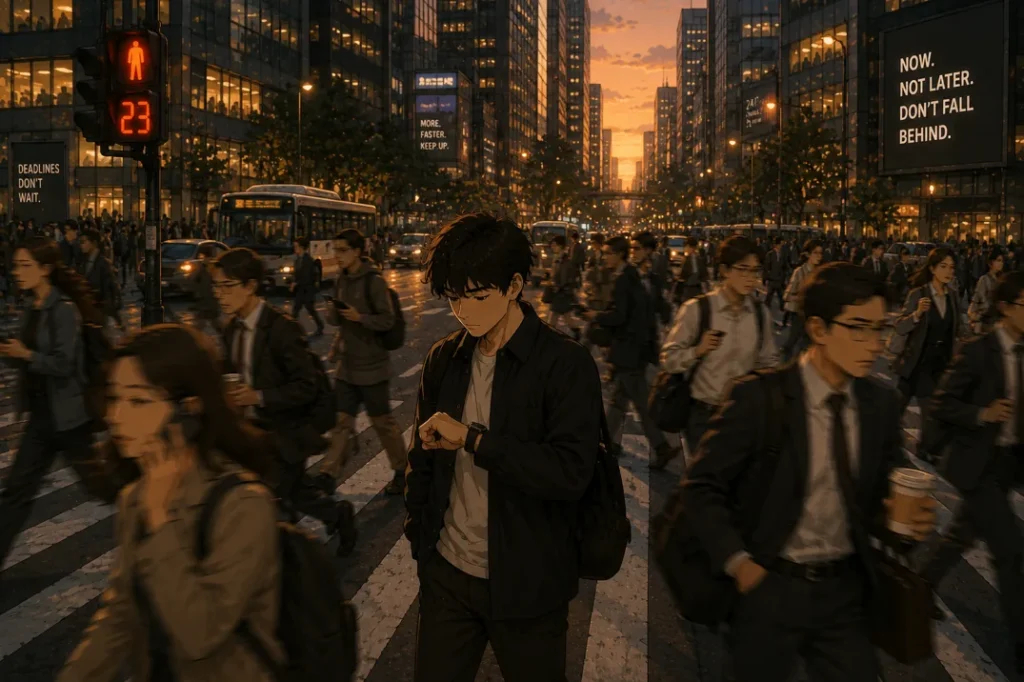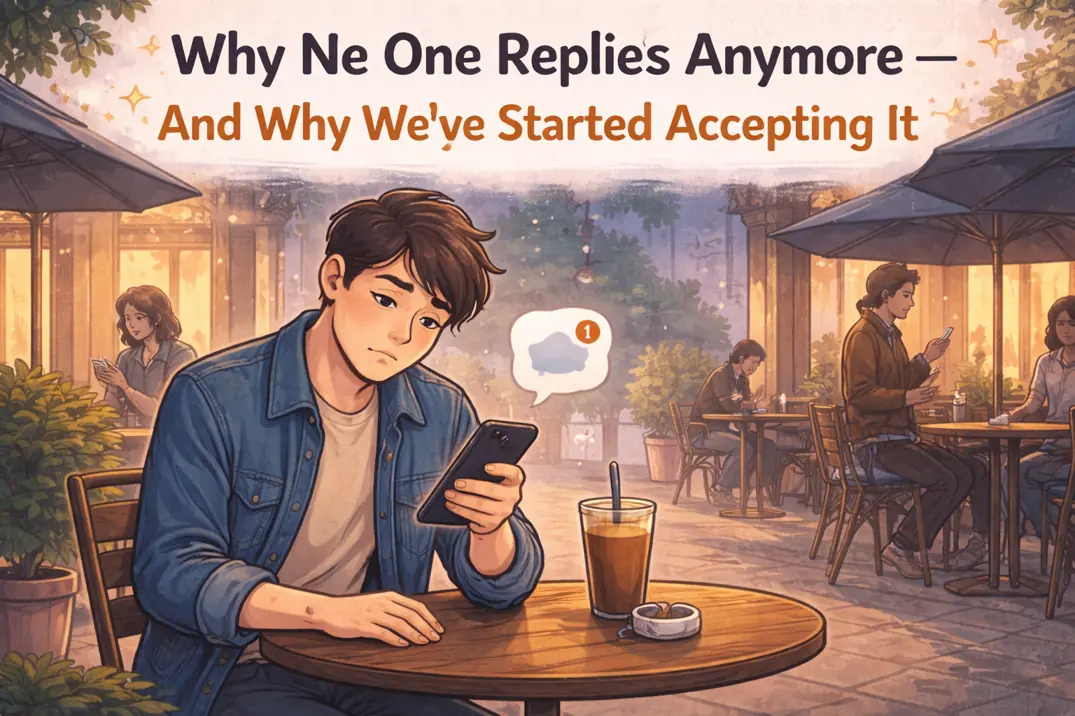
For years, being busy was a badge of honor. A full calendar meant you were productive, ambitious, and moving forward. But something is changing. More people are starting to question whether being constantly busy actually leads to a better life — or just a more exhausting one. so, why no one replies anymore.
The Rise of the Non-Response Culture
What once felt like social rudeness has transformed into an accepted part of everyday communication. A delayed response used to signal disinterest, anger, or emergency. Now it’s more likely to mean someone saw your message while rushing between meetings, mentally noted it, and then watched it disappear into the endless scroll of their day.
This acceptance didn’t happen overnight. We’ve gradually adapted our emotional responses to match the communication patterns around us. When everyone takes longer to reply, taking longer to reply becomes normal. The friend who responds within an hour now feels unusually attentive, while the one who takes three days barely registers as slow.
How We’ve Rewired Our Expectations
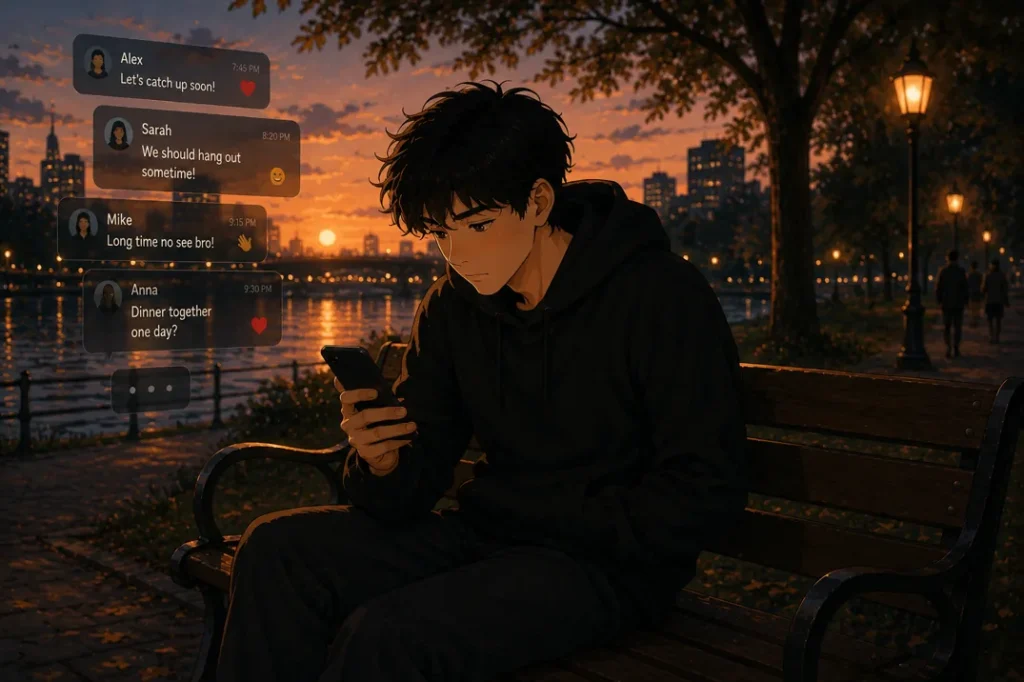
The unspoken rules have shifted dramatically. We no longer assume immediate availability means immediate response. Seeing “read” receipts without replies doesn’t sting the way it used to. We’ve learned to interpret silence as busy rather than dismissive, creating a more forgiving but also more distant communication landscape.
The Mental Load of Constant Connection
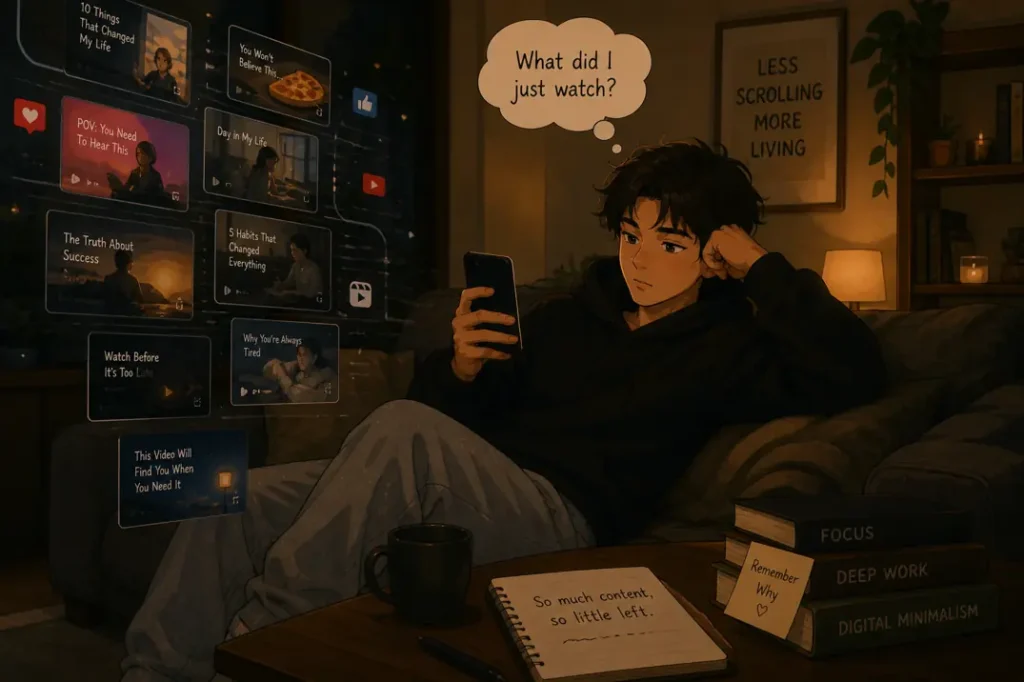
Every platform demands attention: work Slack, personal texts, Instagram DMs, WhatsApp family groups, LinkedIn messages, dating app conversations. Replying to messages has evolved from a simple social exchange into something that feels more like inbox management.
Consider the cognitive burden this creates. Each message requires context switching – remembering who this person is, what you last discussed, what tone to strike, how much energy to invest. A simple “How are you?” can feel overwhelming when you’re already juggling fifteen other conversation threads and haven’t had lunch yet.
When Communication Becomes a Chore
The platforms that promised to make us more connected have inadvertently made conversation feel like work. We’re selective about where we invest our communication energy because we simply don’t have enough to go around. Not replying immediately is no longer a sign of disrespect — it’s often a sign of overload.
The Personal Versus the Practical
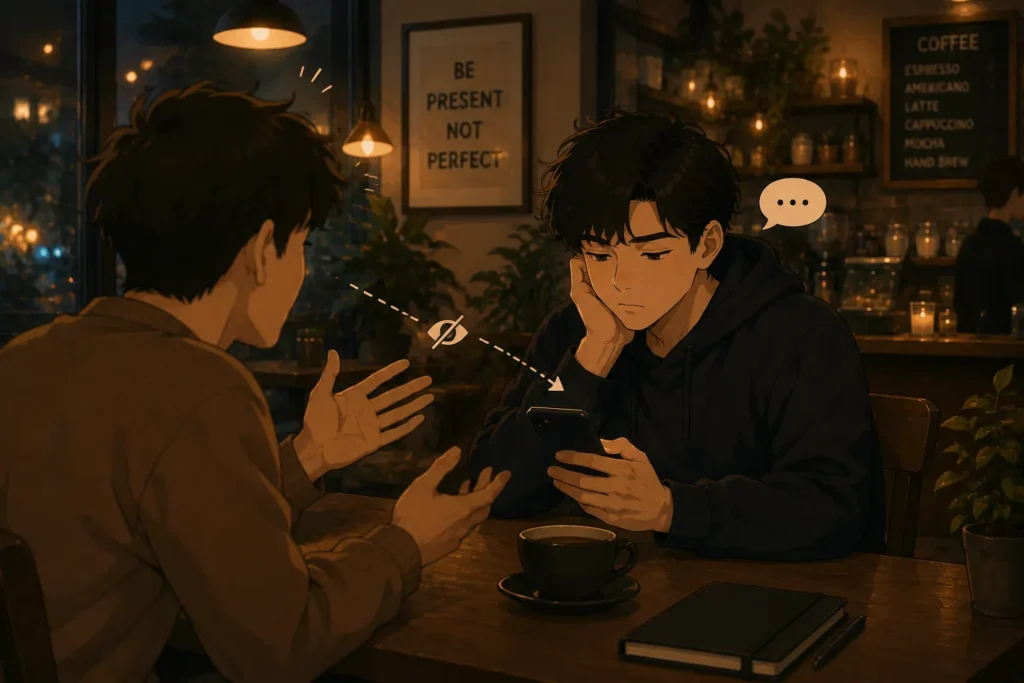
Many people delay responses not because they don’t care, but because they lack the mental space to engage meaningfully. There’s a difference between firing off a quick “sounds good” and crafting a thoughtful response to a friend going through a difficult time. Sometimes we postpone replies precisely because we care enough to want to respond properly.
This creates its own anxiety loop. The longer we wait to reply thoughtfully, the more pressure builds to make the eventual response worth the delay. A message that could have been answered quickly becomes intimidating, then gets buried under newer, more urgent communications.
The Energy Economics of Digital Friendship
We’ve started triaging our relationships through our response patterns, often unconsciously. Close friends get quicker replies. Acquaintances wait longer. Professional contacts get prioritized during work hours. This isn’t necessarily callousness – it’s adaptation to a system that demands more social energy than most of us actually possess.
New Etiquette for an Overwhelmed World
Digital communication has created new social norms that our parents’ generation might find bewildering. Leaving someone on read for days is now socially acceptable in many contexts. Double-texting isn’t desperate; it’s practical. Sending a message without expecting an immediate reply has become the default assumption rather than the exception.
These emerging norms serve a protective function. They give us permission to be human – to be busy, overwhelmed, or simply not in the mood to engage. They acknowledge that constant availability isn’t sustainable, even when technology makes it technically possible.
We are living in a time where communication is constant — but attention is limited. Rather than becoming more careless, we’ve become more selective with our attention. The silence in our message threads isn’t necessarily a sign of disconnection – it might be the sound of people trying to preserve enough mental energy to show up meaningfully when it really counts.