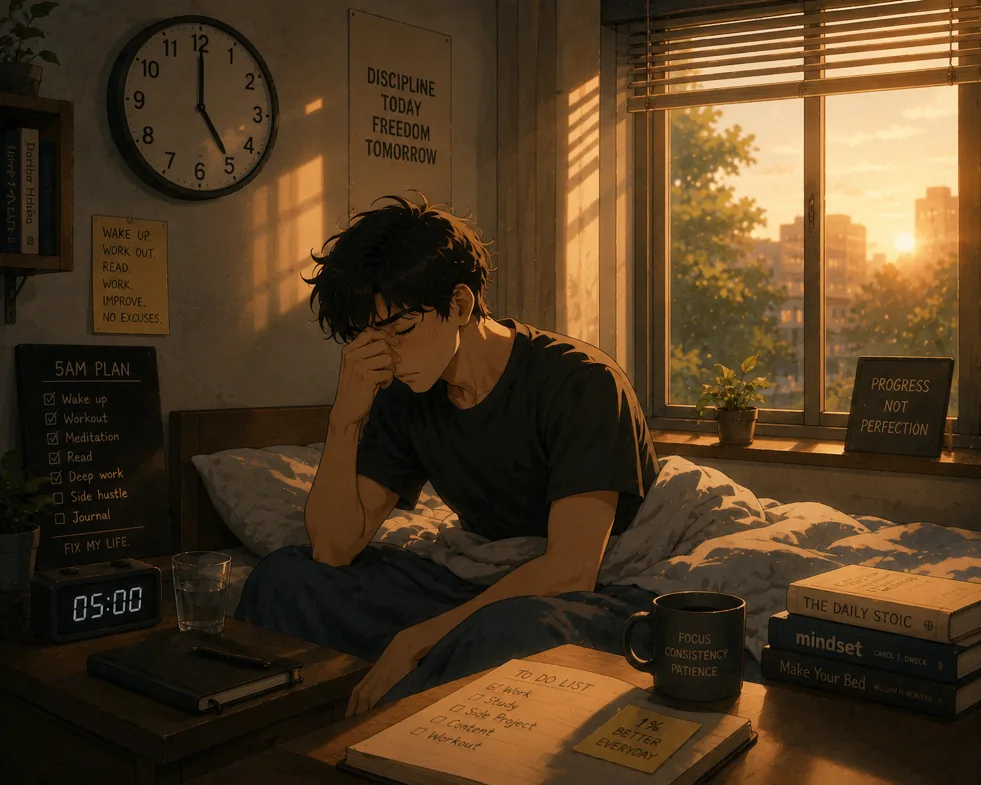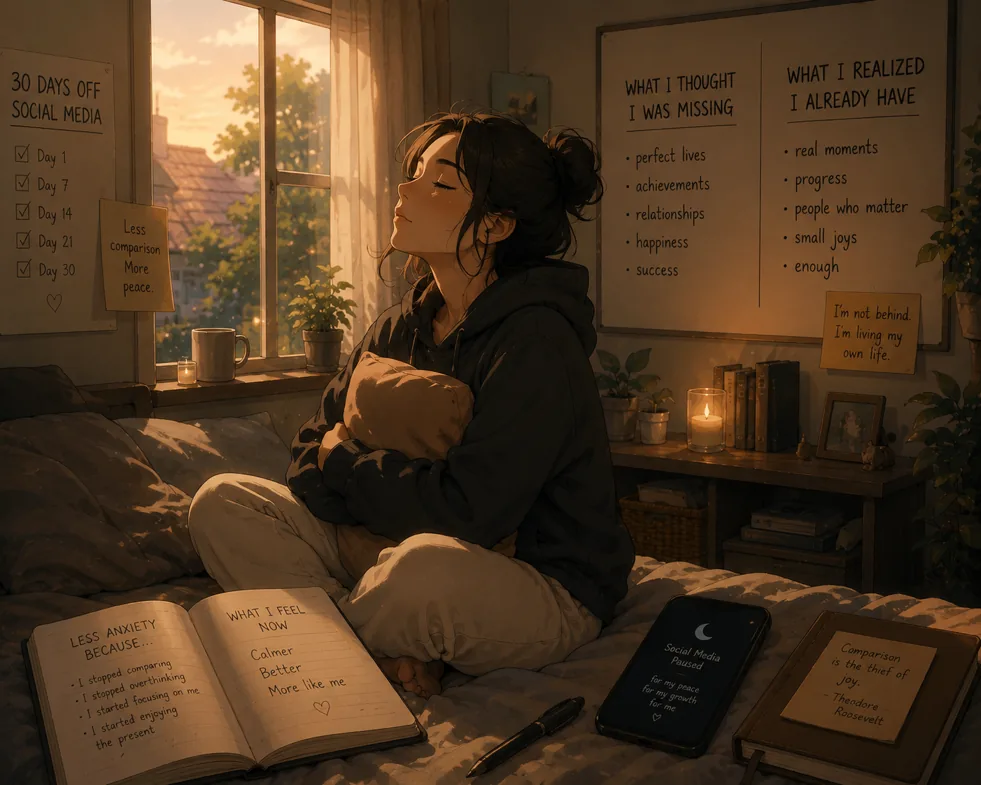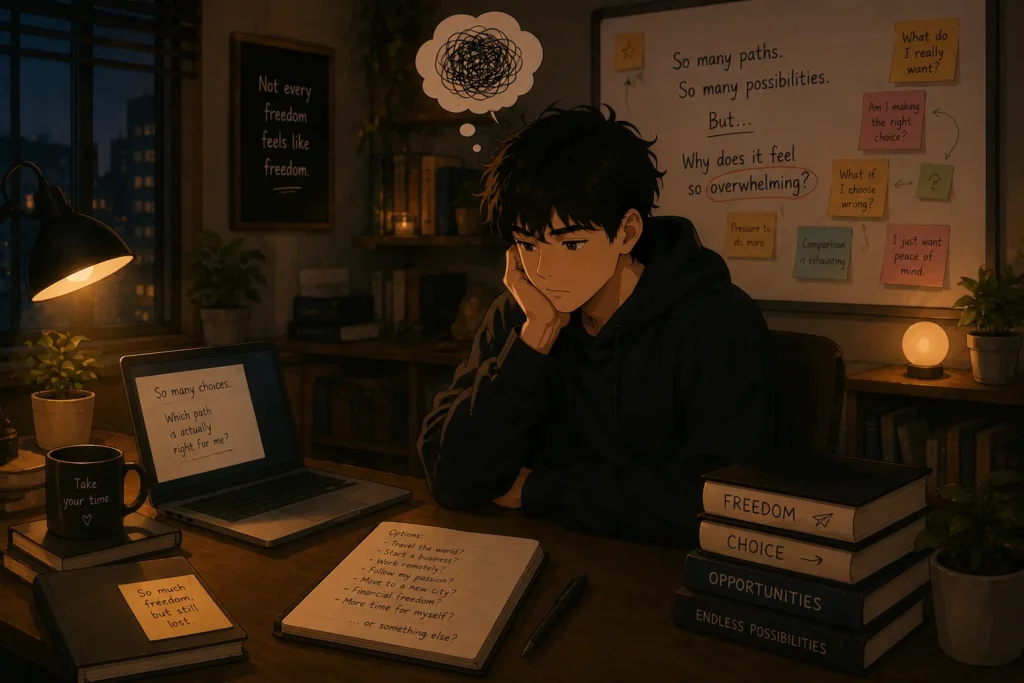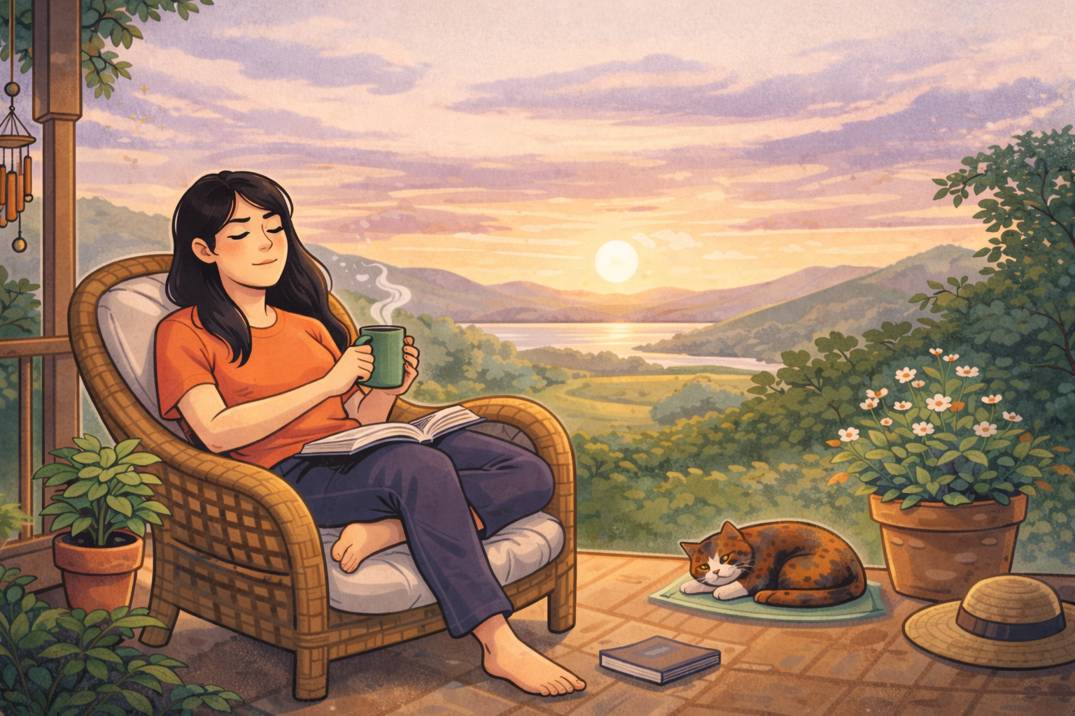
For years, being busy was a badge of honor. A full calendar meant you were productive, ambitious, and moving forward. But something is changing. More people are starting to question whether being constantly busy actually leads to a better life — or just a more exhausting one and this is why people don’t want to be busy anymore.
The End of Busy as a Badge of Honor
Walk into any office break room five years ago, and you’d hear a familiar symphony: exhausted sighs about impossible deadlines, weekend work sessions, and color-coded calendars with no white space. Today, those conversations sound different. The person who leaves at 5 PM sharp no longer feels compelled to explain why. The colleague who doesn’t check email on Saturday doesn’t preface Monday meetings with defensive justifications.
This shift runs deeper than workplace boundaries. Parents are questioning whether their children need activities every afternoon. Friends are meeting for dinner without documenting every moment for social media. The performative aspect of being overwhelmed—that strange cultural requirement to prove your worth through exhaustion—is losing its audience.
The change becomes visible in small moments. People say “I’m free Thursday” instead of “I can squeeze you in Thursday.” They describe weekends as “relaxing” rather than “productive.” The language itself reveals how we’re unconsciously rewiring our relationship with time and availability.
When Having Time Stopped Feeling Like Failure
The turning point often comes after a moment of recognition. Maybe it’s realizing that being booked solid for three months didn’t lead to any meaningful achievements. Or noticing that the busiest people in your network seem the least satisfied with their actual work. The idea that a packed schedule equals productivity or achievement starts to crumble when you examine what all that motion actually produced.
The Quiet Rejection of Always-On Culture
Rather than mounting dramatic protests against hustle culture, people are simply stepping aside. They’re declining optional meetings that don’t serve a clear purpose. They’re choosing to take lunch breaks instead of eating at their desks. They’re saying no to commitments that would have felt mandatory just a few years ago.
This rejection happens without manifestos or public declarations. It’s visible in the friend who stops responding to group texts immediately, the coworker who no longer stays late to look dedicated, the neighbor who spends Saturday mornings reading instead of running errands. The rebellion is quiet because it doesn’t need to be loud—it just needs to be consistent.
The economic pressures that once made constant availability seem necessary haven’t disappeared entirely, but people are finding ways to work within them differently. Instead of chasing every opportunity, they’re becoming more selective. Instead of treating every request as urgent, they’re developing better filters for what actually requires immediate attention.
Creating Boundaries Without Making Enemies
The art lies in stepping back from constant productivity without burning bridges or appearing unmotivated. People are learning to communicate their limits clearly rather than apologetically. They’re discovering that colleagues and friends often respect boundaries more than they expected—and that many others were waiting for permission to establish similar limits themselves.
Making Rest Part of Life, Not Something to Earn
The old model treated rest as a reward for completing everything else first. Vacation time was something you earned through months of overtime. Weekend relaxation was justified only after household tasks were finished. Sleep was negotiable if work demanded attention. This framework positioned rest as the lowest priority—something that happened only when nothing more important required attention.
People are flipping this hierarchy. They’re scheduling downtime like they once scheduled meetings, treating it as non-negotiable rather than optional. They’re taking walks during lunch breaks without feeling guilty about undone tasks. They’re going to bed at consistent times instead of staying up to squeeze in more productivity.
The shift represents a recognition that rest isn’t the absence of productivity—it’s what makes sustained productivity possible. When rest becomes a regular part of life rather than something you collapse into after burnout, both work and leisure improve. Energy becomes more consistent, decision-making gets clearer, and the quality of attention increases.
Building Sustainable Rhythms
This approach requires rethinking how days and weeks are structured. Instead of filling every available hour with tasks, people are building in buffer time. Instead of scheduling back-to-back commitments, they’re leaving space between obligations. The goal isn’t maximum efficiency—it’s sustainable engagement with the things that actually matter.
A Movement Without a Name or Manifesto
What makes this shift particularly interesting is how organic it feels. People aren’t joining slow living communities or reading books about minimalism—they’re simply noticing that their old patterns weren’t serving them and making different choices. The movement has no leaders, no official philosophy, and no requirements for membership.
This unnamed lifestyle change shows up differently for everyone. For some, it means cooking dinner at home more often instead of grabbing takeout between activities. For others, it’s choosing a shorter commute over a higher salary, or prioritizing sleep over late-night social events. The common thread isn’t a specific set of practices but a shared recognition that constant motion isn’t the same as meaningful progress.
People aren’t becoming less ambitious—they’re redefining what success looks like. Instead of measuring achievement through how much they can handle, they’re focusing on what they want to handle. Instead of optimizing for maximum output, they’re optimizing for sustainable satisfaction.
The absence of a clear label or formal structure might be exactly what allows this shift to spread. Without rigid rules about what slow living should look like, people can adapt the core insights to fit their own circumstances and priorities. The result is a quiet revolution in how we think about time, energy, and what constitutes a life well-lived.