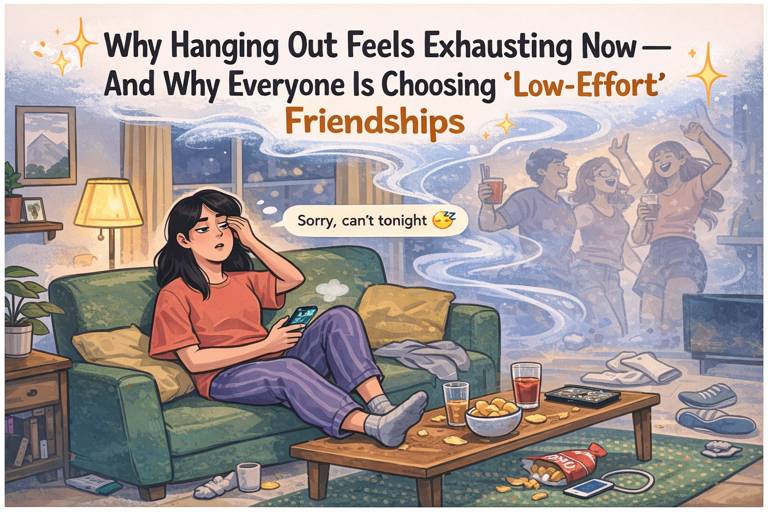
Sarah stares at her phone, looking at three different group chat invitations for this weekend. A birthday dinner, a hiking trip, and drinks after work. Six months ago, she would have said yes to all three. Now, the thought of getting dressed up, driving across town, and making conversation for hours feels like preparing for a marathon. She's not depressed, and she genuinely likes her friends. But somehow, hanging out feels exhausting now — and she's starting to realize she's not alone in choosing easier ways to connect.
When Getting Together Becomes Work Instead of Rest
Something fundamental has shifted in how we experience friendship. What used to feel like the natural rhythm of social life now carries an invisible weight. People describe feeling drained before they even arrive at gatherings, calculating whether they have enough energy to be "on" for several hours.
This isn't about becoming antisocial or losing interest in relationships. Instead, it reflects how our capacity for connection has quietly eroded under modern pressures. The same friends who once recharged us can now feel like another item on an endless to-do list.
The Hidden Energy Tax of Modern Friendship
Every social interaction now seems to require more emotional labor than before. People feel pressure to be entertaining, to have interesting updates about their lives, to maintain energy levels that match the group dynamic. The casual, low-stakes hanging out of previous decades has been replaced by more intentional, planned gatherings that demand performance rather than simple presence.
Friends report feeling guilty when they're not fully engaged, checking phones, or wanting to leave early. The bar for what constitutes "good" socializing has risen, making ordinary human moments feel insufficient.
The Rise of Comfort-First Connection
A quiet revolution is happening in how people choose to spend time together. Instead of elaborate plans or high-energy activities, more people are gravitating toward what could be called "low-pressure connection" — socializing that prioritizes ease over excitement.
This shows up as parallel activities rather than face-to-face conversation. Friends doing separate tasks in the same room. Group chats that replace phone calls. Watching movies together instead of going out to dinner. The goal isn't to avoid meaningful interaction, but to remove the exhausting elements that have crept into modern friendship.
Why Minimal Expectations Feel Like Maximum Relief
These lower-key approaches work because they eliminate social performance anxiety. When you're folding laundry while a friend reads nearby, there's no pressure to be witty or insightful. The connection happens through shared space and time rather than constant engagement.
People describe feeling more like themselves in these settings. The relationship gets to breathe without the artificial energy that structured activities often demand.
How Digital Saturation Drains Real-Life Energy
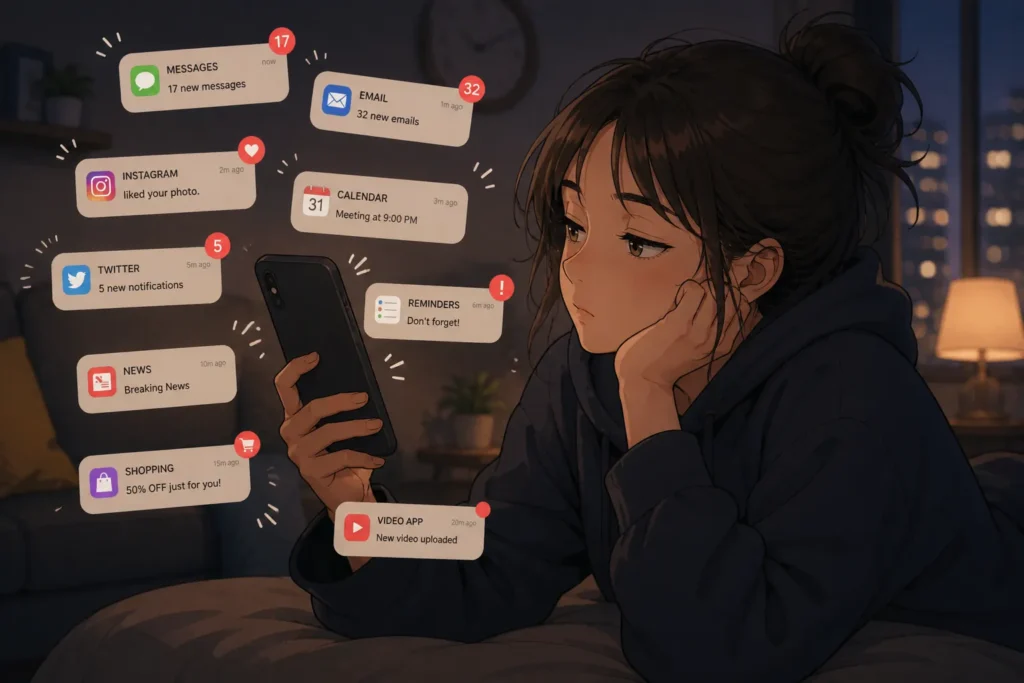
The exhaustion many feel around in-person socializing has roots in how digitally saturated daily life has become. Between work Slack channels, family group texts, social media notifications, and streaming content, most people are already socially stimulated to capacity before any real-world interaction begins.
This constant digital buzz creates a phenomenon where people feel socially "used up" without having experienced the satisfaction that comes from genuine connection. They've been responding to messages, consuming other people's updates, and managing online relationships all day. By evening, the prospect of more social input feels overwhelming rather than appealing.
When Connectivity Becomes Social Clutter
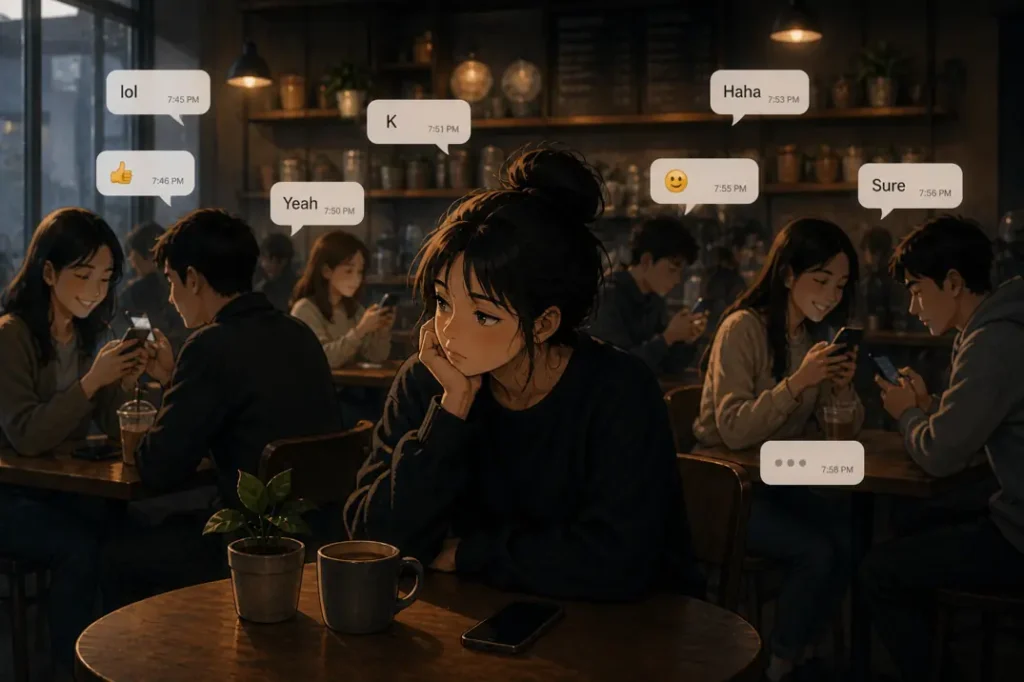
The challenge isn't just the volume of digital interaction, but its fragmented nature. A day filled with brief text exchanges, emoji reactions, and social media browsing creates a sense of having been social without the deeper satisfaction that comes from focused time with people you care about.
This leaves many feeling simultaneously overstimulated and undernourished socially. They've expended social energy on low-level digital maintenance while craving the restoration that meaningful connection usually provides.
The Shift Toward Intentional, Easier Relationships
What's emerging isn't antisocial behavior, but rather people becoming more selective about where they invest their social energy. Rather than trying to maintain broad networks of casual friendships, many are focusing on deeper connections with fewer people — and insisting those connections feel sustainable.
This selectivity extends to how friendships are maintained. People are choosing relationships that don't require constant effort to sustain, where silence feels comfortable and expectations remain reasonable. They're optimizing for comfort and authenticity rather than frequency or intensity.
The friends who understand when you need to cancel plans, who don't take personally your need for space, who can enjoy simple time together without elaborate coordination — these relationships are becoming more valuable than ever. Why hanging out feels exhausting now has less to do with friendship itself and more to do with recognizing that not every social interaction needs to be an event. Sometimes the most meaningful connections happen when the pressure to connect is removed entirely.