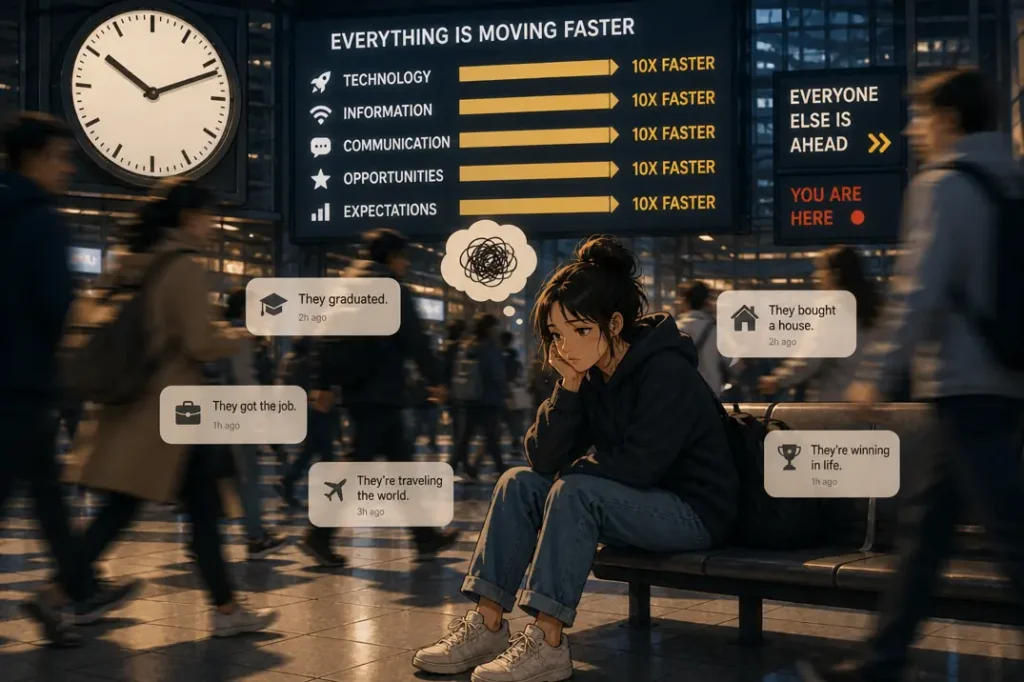
The vacation photos look perfect, the destinations were bucket-list worthy, and the itinerary was packed with experiences. Yet many travelers find themselves returning home more exhausted than when they left. People are traveling more — but coming back more tired than before, a phenomenon that reveals how modern travel has shifted from genuine rest to something closer to a high-energy project that demands constant optimization and documentation.
Travel No Longer Offers the Rest We Expect
The promise of vacation used to be simple: escape your routine, slow down, and return refreshed. Instead, many people describe post-trip feelings that sound more like recovery from an endurance event than restoration from time away.
This exhaustion isn't just physical, though jet lag and packed schedules certainly contribute. The mental fatigue runs deeper. Travelers often return feeling like they've been "on" the entire time—alert, engaged, and performing the role of the perfect tourist rather than simply existing in a different place.
The Pressure to Make Every Moment Count
Travel used to be an escape from routine, but now it often mirrors the same pressure just in a different location. The weight of expensive flights, limited time off, and carefully saved vacation days creates an underlying tension that every hour must justify the investment. This transforms what should be restorative time into something that requires constant mental energy and decision-making.
Modern Trips Have Become Performance-Driven Experiences
Planning a trip now resembles project management more than daydreaming about adventure. Travelers research extensively, create detailed itineraries, and approach their destinations with spreadsheets and reservation confirmations rather than curiosity and flexibility.
The performance aspect extends beyond planning into the trip itself. Every restaurant needs to be Instagram-worthy, every activity should create a story worth telling, and every day should feel meaningfully different from home. This creates a subtle but persistent pressure to curate experiences rather than simply have them.
When Documentation Becomes the Main Event
The need to capture and share moments often competes with the ability to actually experience them. Travelers find themselves viewing destinations through phone screens, researching the perfect photo spots, and mentally crafting social media captions while still in the moment they're trying to document.
Social Media Shapes How We Travel Now
The visual nature of platforms like Instagram and TikTok has fundamentally changed what people expect from travel. Destinations become backdrops, experiences become content, and the trip's success gets measured partly by its shareability rather than its personal impact.
This shift creates a strange dynamic where travelers feel simultaneously connected to and disconnected from their experiences. They're highly engaged with documenting their journey but may struggle to be present within it. The pressure to create compelling content can turn even relaxing activities into work.
Packed Itineraries Leave No Room for Actual Rest
The modern approach to vacation time treats it like a scarce resource that must be maximized. Travelers pack their schedules with activities, tours, and experiences, leaving little space for the kind of unstructured time that actually allows for restoration.
This over-scheduling stems partly from practical concerns—vacation days are limited and expensive—but also from a cultural shift that equates busyness with value. The idea of spending a vacation day doing very little feels wasteful, even though that kind of unstructured time often provides the mental reset that travel promises.
The Fear of Missing Out Drives Exhaustion
When every guidebook, blog, and local recommendation presents must-see attractions and can't-miss experiences, the fear of choosing wrong becomes overwhelming. Travelers often try to fit everything in rather than selecting a few things to enjoy thoroughly, creating schedules that would be tiring even at home.
Constant Stimulation Replaces Genuine Rest
Travel naturally involves new environments, different routines, and unfamiliar surroundings. While this novelty can be energizing, it also requires constant mental processing that can become overwhelming rather than restorative.
Every meal requires decisions, every location needs navigation, and every interaction demands attention in ways that don't happen in familiar environments. The brain works harder to process new information and make sense of different contexts, which can be thrilling but also exhausting.
The Expectation of Perfect Trips Creates Underlying Stress
Social media and travel marketing have created unrealistic expectations about how transformative and flawless travel experiences should be. When reality includes delayed flights, disappointing restaurants, or weather that doesn't cooperate, the gap between expectation and experience can feel like personal failure rather than normal variation.
People are not tired of traveling—they are tired of how travel has turned into something that needs to be optimized, documented, and justified. The pressure to extract maximum value from every trip transforms what should be restorative time into another form of productivity culture, complete with metrics for success and anxiety about not doing it right.
The solution isn't to stop traveling, but to recognize that rest and stimulation serve different purposes. Sometimes the most refreshing trip is the one that doesn't try to be perfect, doesn't get fully documented, and includes plenty of time for the kind of boredom that actually allows minds to wander and bodies to recover from the pace of daily life.