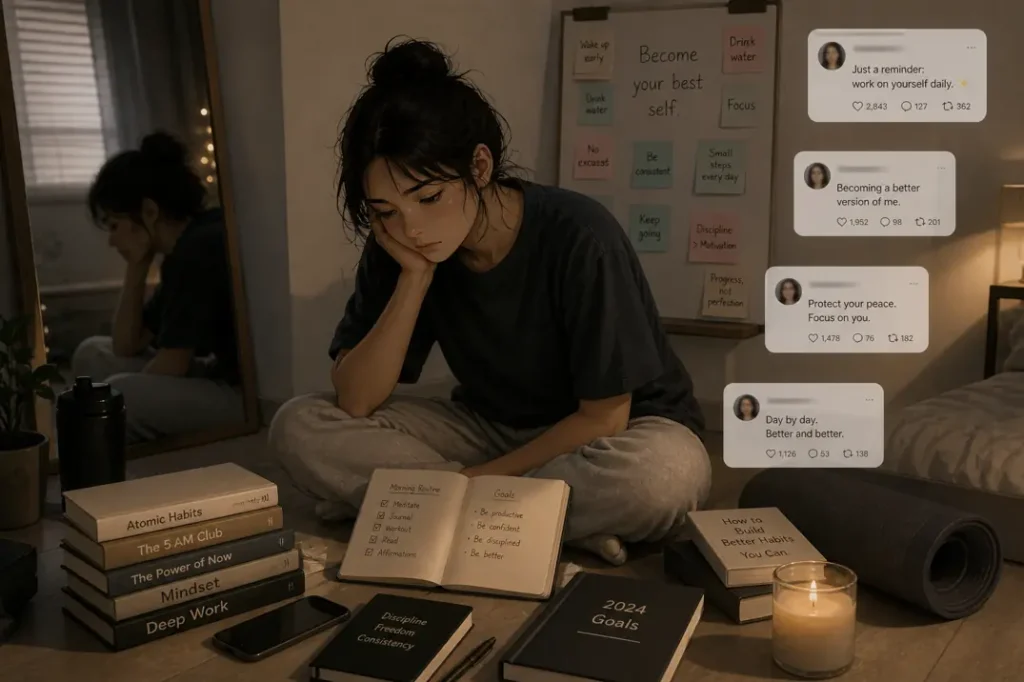
Sarah planned what should have been the perfect Saturday. No errands, no social obligations, no household projects demanding attention. Just her, a comfortable couch, and permission to do absolutely nothing. By 11 AM, she was checking her phone every few minutes, mentally cataloging tasks she could be completing instead. The weekend that was supposed to feel restorative left her more anxious than a typical workday.
Her experience reflects something many people discover when they actually try to rest: it doesn't feel as good as they expected. An employee took a 'do nothing' weekend and realized rest felt uncomfortable, revealing how modern life has quietly reshaped our relationship with stillness. What should be natural now requires deliberate practice.
Many People No Longer Know How to Rest Without Guilt
Free time has become surprisingly complicated. Where previous generations might have naturally settled into quiet moments, many people today find themselves mentally negotiating with downtime. The simple act of sitting without purpose triggers an internal dialogue about productivity lost and responsibilities delayed.
Rest Now Feels Unproductive Rather Than Restorative
The guilt arrives within minutes. A free Sunday afternoon becomes a mental inventory of incomplete projects, unanswered emails, or skills that could be developed. People report feeling lazy during rest periods, even when they're genuinely tired. The emotional experience of doing nothing has shifted from peaceful to problematic.
This change didn't happen overnight. It emerged gradually as cultural messages about optimization and self-improvement began treating rest as time that could be better spent. The result is that many people can only relax when exhaustion makes any other choice impossible.
Self-Worth Has Become Entangled With Constant Activity
Modern identity construction often depends on being busy. When someone asks how you're doing, responding with "not much" can feel like admitting failure rather than describing contentment. Activity has become proof of value, making stillness feel like evidence of the opposite.
Doing Nothing Triggers Anxiety About Personal Worth
The discomfort runs deeper than simple restlessness. People describe feeling worthless during unstructured time, as if their value as humans depends on visible productivity. Social media amplifies this by creating endless opportunities to compare your quiet Saturday with someone else's hiking adventure or creative project.
The anxiety isn't really about the time itself. It stems from learned associations between movement and meaning. Rest begins to feel like failing at life rather than maintaining it.
Constant Stimulation Has Changed Emotional Tolerance for Stillness
The average person encounters more stimulation in a single day than previous generations experienced in weeks. Phones provide instant access to entertainment, information, and social connection. This constant availability has recalibrated what feels normal, making silence and stillness seem almost foreign.
Quiet Moments Feel Unfamiliar in Highly Stimulated Daily Routines
When stimulation suddenly stops, the contrast feels stark. People report that silence makes them uncomfortable, not because they dislike quiet, but because their nervous systems have adapted to constant input. The absence of stimulation can feel like something is wrong rather than an opportunity for rest.
This isn't about technology addiction—it's about environmental conditioning. Brains that spend most of their time processing multiple streams of information naturally find single-focus activities or no-focus periods difficult to tolerate.
Rest Is Often Treated as Something That Must Be Earned
Many people operate under an unspoken rule that relaxation requires prior achievement. They need to complete enough tasks, work enough hours, or accomplish enough goals before rest feels acceptable. This transactional relationship with downtime makes spontaneous rest nearly impossible.
People Struggle to Relax Unless They Feel They've Done Enough
The "enough" threshold keeps moving higher. Completing work doesn't automatically grant permission to rest because there's always additional work that could be done. Household tasks multiply as soon as previous ones are finished. The result is that rest becomes something always deferred rather than regularly practiced.
This creates a cycle where people become increasingly tired while simultaneously raising the bar for when rest is deserved. Exhaustion becomes the only socially acceptable reason for stillness.
Mental Momentum Continues Even When External Activity Stops
Stopping physical activity doesn't automatically quiet mental activity. Brains trained to solve problems, process information, and plan next steps continue running these programs during attempted rest periods. The mental momentum built during active hours doesn't brake simply because the body sits down.
This explains why someone can feel tired while lying on a couch watching television. Their body is resting, but their mind continues cycling through work problems, social interactions, and future planning. True rest requires mental stillness, not just physical inactivity.
People Are Rediscovering That Slowing Down Requires Intentional Effort
Recognition of this problem has sparked interest in practices that specifically address mental momentum. Meditation apps report millions of users, many of whom describe needing help with something as basic as sitting quietly. The popularity of these tools reveals how many people have lost natural access to stillness.
Genuine Rest Now Demands Practice Rather Than Simply Stopping Work
Learning to rest has become a skill requiring development rather than an automatic response to free time. People experiment with digital detoxes, structured relaxation periods, and deliberate boredom as ways to retrain their tolerance for understimulation. The effort required highlights how far cultural habits have drifted from natural rhythms.
The irony isn't lost on anyone involved: people now need productivity strategies to become less productive. Rest has joined the list of things requiring optimization, which may be exactly the opposite of what genuine rest needs to be.