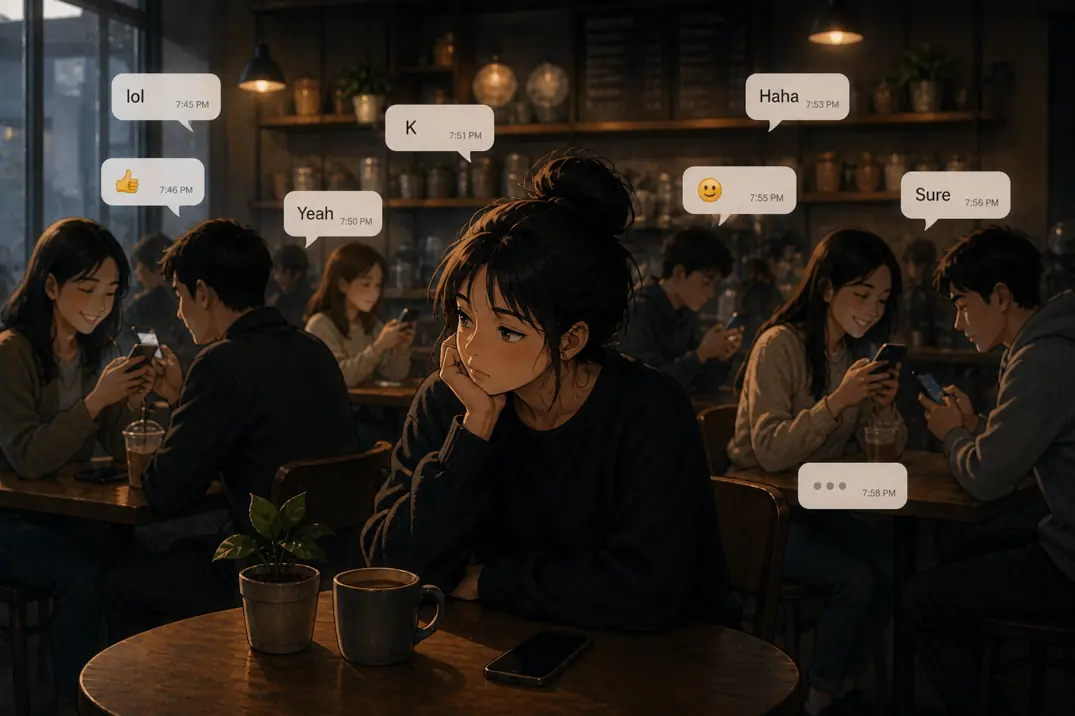
Walk into any coffee shop and you'll see it: people texting while talking, glancing at phones mid-sentence, or wrapping up face-to-face chats to answer notifications. We're exchanging words constantly through calls, texts, emails, and brief encounters, yet something feels missing. Despite all this communication, conversations feel shorter now — even when people talk more. The volume has increased, but the substance seems to have thinned out.
We're Communicating More But Connecting Less
The statistics paint a clear picture: the average person sends dozens of messages daily, participates in multiple group chats, and maintains communication with more people than previous generations could imagine. Yet many report feeling less understood and more isolated than before.
This isn't about nostalgia for simpler times. It's about recognizing a genuine shift in how we engage with each other. We've become efficient communicators but less effective conversationalists. The issue isn't that people don't talk — it's that conversations are no longer given enough space to become meaningful.
Quick Check-ins Replace Deeper Exchanges
Morning texts asking "how are you?" receive one-word responses. Lunch conversations get interrupted by work calls. Evening phone calls compete with streaming shows and social media feeds. Each interaction serves its purpose, but few create the conditions where genuine connection can develop.
Digital Messaging Prioritizes Speed Over Depth
Text messages, instant messaging, and social media platforms reward quick responses and brief exchanges. The design of these tools shapes how we communicate, encouraging rapid-fire interactions rather than thoughtful dialogue.
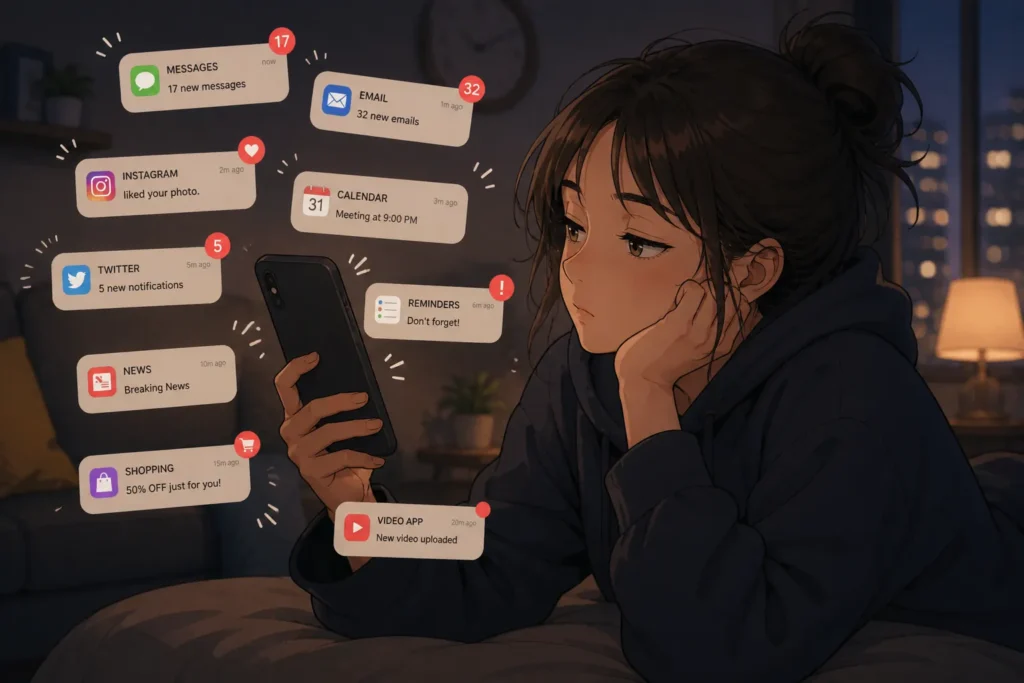
Consider how messaging apps display "typing" indicators and "read" receipts. These features create subtle pressure to respond quickly, leaving little room for reflection. The expectation of immediate replies has trained us to prioritize speed over substance in our digital conversations.
The Brevity Trap
Emojis replace explanations. Abbreviations substitute for full thoughts. Voice messages get shortened to avoid "taking up too much time." While these shortcuts serve practical purposes, they gradually reduce our comfort with longer, more complex exchanges. We become skilled at conveying information efficiently but less practiced at sharing experiences meaningfully.
Shorter Attention Spans Make Sustained Dialogue Difficult
The modern environment offers constant stimulation and frequent interruptions. Maintaining focus during extended conversations requires effort that feels increasingly unnatural. Phone notifications, background noise, and mental to-do lists compete for attention during what should be focused interactions.
This fragmented attention affects both speakers and listeners. People learn to compress their thoughts into shorter segments, anticipating that longer explanations will lose their audience. Meanwhile, listeners develop habits of partial attention, catching key points while mentally processing other concerns.
The Cost of Constant Stimulation
When our minds expect frequent input changes, sitting with one conversation for an extended period can feel uncomfortable. The silence between thoughts, the pauses for reflection, and the gradual development of complex ideas all require a type of patience that's becoming less common.
Surface-Level Interactions Replace Emotional Depth
Many conversations now focus on logistics, updates, and casual observations rather than feelings, concerns, or meaningful experiences. We discuss schedules, share links, and exchange brief opinions, but rarely explore the emotional texture of our daily lives.
This shift toward functional communication serves practical needs but leaves emotional ones unmet. People report feeling known for their activities and opinions but not for their inner experiences. We communicate more than ever, but connection requires more than just exchange.
When Efficiency Becomes Isolation
Streamlined communication can inadvertently create emotional distance. Quick status updates replace longer stories about challenges and victories. Shared memes substitute for discussions about what actually makes us laugh or think. These efficient exchanges keep us informed about each other's lives while revealing less about each other's hearts.
Multitasking Splits Our Attention During Conversations
Modern life normalizes divided attention. People check emails while on phone calls, scroll through feeds during video chats, and think about work projects during family conversations. This multitasking reduces the quality of each interaction, even when the total time spent "talking" increases.
The person speaking often senses this divided attention, leading them to shorten their thoughts or speak less openly. Meanwhile, the distracted listener misses subtleties in tone, emotion, and meaning that would normally deepen the conversation.
The Myth of Productive Multitasking
While multitasking might help us manage busy schedules, it fundamentally changes the nature of our conversations. Instead of creating space for unexpected insights or emotional moments, divided attention keeps interactions predictable and shallow. We cover more topics but explore fewer of them thoroughly.
More Interaction Doesn't Equal Stronger Connection
The frequency of communication can create an illusion of closeness without delivering the actual experience of being understood. People maintain regular contact through various channels while feeling increasingly distant from those they communicate with most often.
This phenomenon appears especially clearly in digital relationships where people exchange messages daily but struggle to have meaningful conversations when they meet in person. The constant low-level contact can actually substitute for deeper engagement rather than supporting it.
The challenge isn't technical but cultural. We've become remarkably skilled at staying in touch while becoming less practiced at truly connecting. Recognizing this distinction might be the first step toward conversations that satisfy our deeper need for understanding, not just our surface need for information.