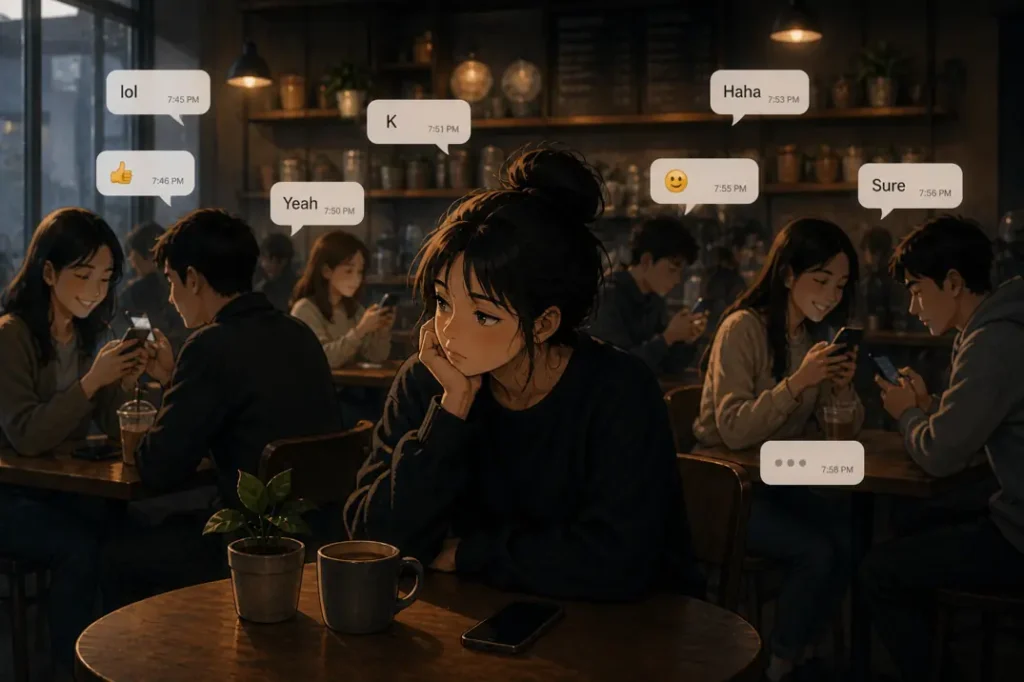
“I saw the notification… I just didn’t feel like opening it.” It’s a small decision, but one that more people are making every day. In a world where notifications never stop, ignoring them is slowly becoming a normal response.
Our Phones Have Become Relentless Attention Seekers
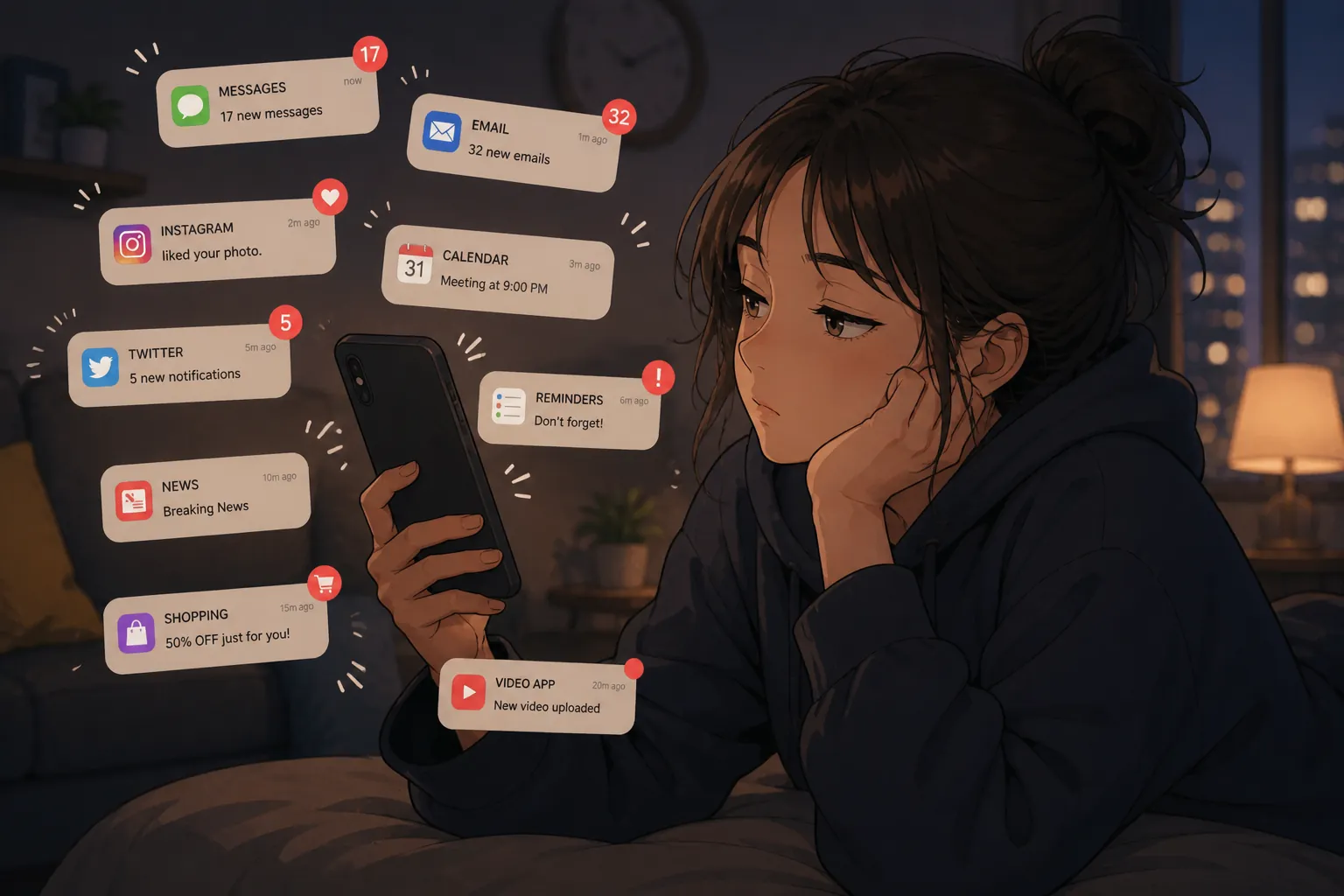
The average smartphone user receives between 60 and 80 notifications per day. That’s one alert every 12 to 15 minutes during waking hours. Email apps ping about new messages. Social media platforms announce likes, comments, and friend requests. News apps push breaking updates. Shopping apps remind us about abandoned carts and flash sales. Even meditation apps, ironically, send notifications urging us to find peace.
Each app operates as if it’s the only one demanding attention, but collectively they create a constant stream of digital interruptions. The result feels overwhelming because it is overwhelming. Our devices, designed to help us stay connected and informed, have become like persistent salespeople who never take no for an answer.
Every App Wants to Be Your Priority
The competition for attention happens at the notification level. App developers know that users who don’t engage with notifications often delete apps entirely, so they’ve become increasingly aggressive about grabbing attention. What started as simple message alerts has evolved into sophisticated psychological triggers designed to pull us back into digital spaces repeatedly throughout the day.
Most Alerts Feel More Urgent Than They Actually Are
When everything arrives with the same red badge and urgent ping, nothing feels truly urgent anymore. The notification for a work email sits next to an alert about a celebrity’s Instagram story. A text from your mom appears alongside a reminder that your food delivery app misses you. The human brain, evolved to respond to genuine emergencies, struggles to distinguish between what actually needs immediate attention and what can wait.
This constant exposure to artificial urgency has created a kind of alert fatigue. People report feeling anxious when they see notification badges, but also feeling disappointed when they open them and find nothing important. The emotional energy required to constantly evaluate and respond to these interruptions has become exhausting.
The Illusion of Crisis
Notification design deliberately mimics emergency signals—red colors, bold numbers, insistent sounds. But most notifications announce mundane updates: someone posted a photo, a newsletter arrived, a game wants you to collect daily rewards. The mismatch between the urgent presentation and the trivial content has trained people to become skeptical of digital demands for attention.
Ignoring Messages Has Become an Act of Self-Preservation
Rather than constantly responding to every ping and buzz, people are developing coping strategies that prioritize their mental space over immediate responsiveness. They leave messages on “read” and respond hours later. They disable notifications for non-essential apps. They check emails in batches rather than responding to each one as it arrives.
This behavior represents a fundamental shift in how people relate to digital communication. Ignoring notifications isn’t about being rude or lazy—it’s about protecting focus and preventing the day from being hijacked by other people’s priorities. When everything demands attention, attention itself becomes limited, and people are learning to spend it more deliberately.
Some individuals describe a sense of relief when they stop trying to keep up with every alert. Instead of feeling guilty about unread messages, they’ve started treating their attention as a finite resource that deserves protection.
The Fantasy of Instant Response Is Breaking Down
The expectation that people should respond to messages immediately—within minutes or hours—made sense when communication was less frequent. But when the average person receives dozens of digital messages daily across multiple platforms, instant response becomes mathematically impossible without sacrificing other activities.
People are quietly abandoning the pressure to be instantly available. They’re taking longer to respond to non-urgent messages, batch-processing communications, and setting informal boundaries around when and how quickly they engage with different types of digital requests.
Real Life Requires Uninterrupted Time
The human brain needs sustained attention to complete meaningful work, have deep conversations, or simply enjoy experiences without digital interruption. Instant responsiveness fragments this attention into small, scattered pieces. People are rediscovering that some activities—cooking dinner, reading a book, having a conversation—are more fulfilling when they happen without constant digital interruptions.
Digital Exhaustion Is Changing How We Communicate
The sheer volume of digital interaction has created a new kind of fatigue that goes beyond physical tiredness. Digital exhaustion manifests as a reluctance to engage with screens, a delay in opening messages, and a preference for silence over constant connectivity.
This exhaustion is reshaping communication patterns. People are having fewer but more intentional digital conversations. They’re choosing phone calls over long text exchanges. They’re meeting in person rather than coordinating through multiple apps. The pendulum is swinging back toward communication that feels more human-scaled and less overwhelming.
Being Reachable No Longer Means Being Available
The most significant shift happening is the separation between accessibility and availability. People can be reached—their phones are on, their accounts are active—but they’re no longer available in the sense of being ready to respond immediately to every digital request.
This represents a quiet revolution in social expectations around communication. Being responsive is being redefined as thoughtful engagement rather than instant reaction. People are learning to distinguish between true emergencies that require immediate attention and routine communications that can wait for a more convenient time.
The notifications will keep coming, but people are quietly reclaiming control over when and how they respond. In a world that never stops asking for attention, the power to say “not right now” has become a form of digital self-care that preserves space for what actually matters.