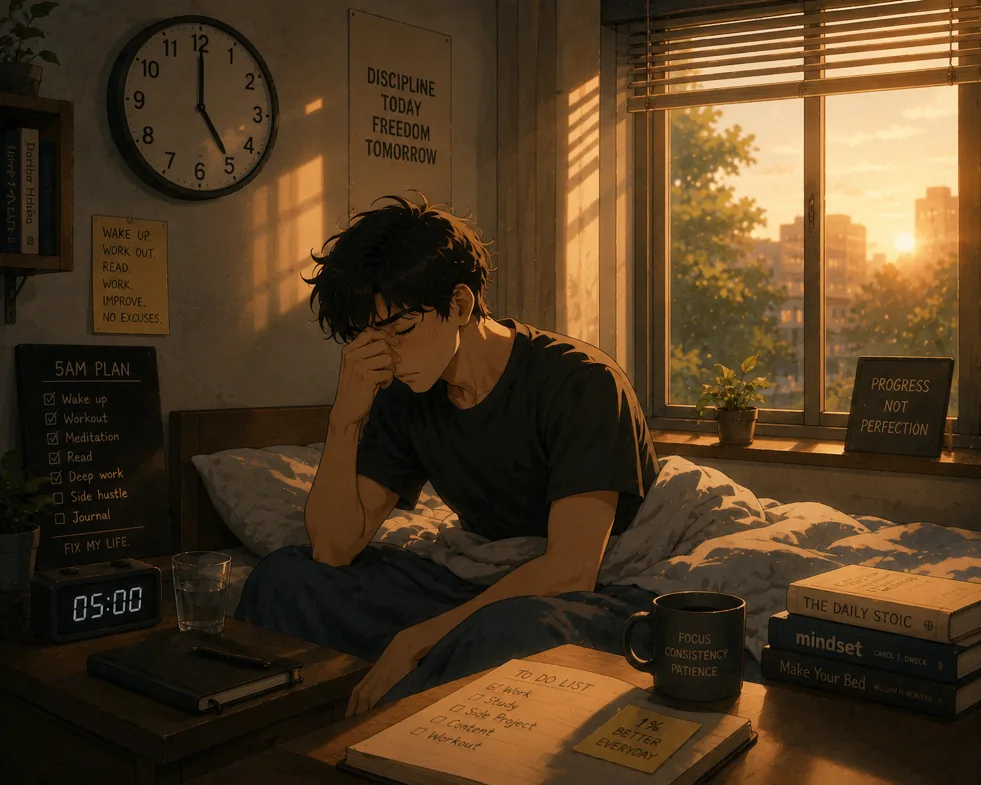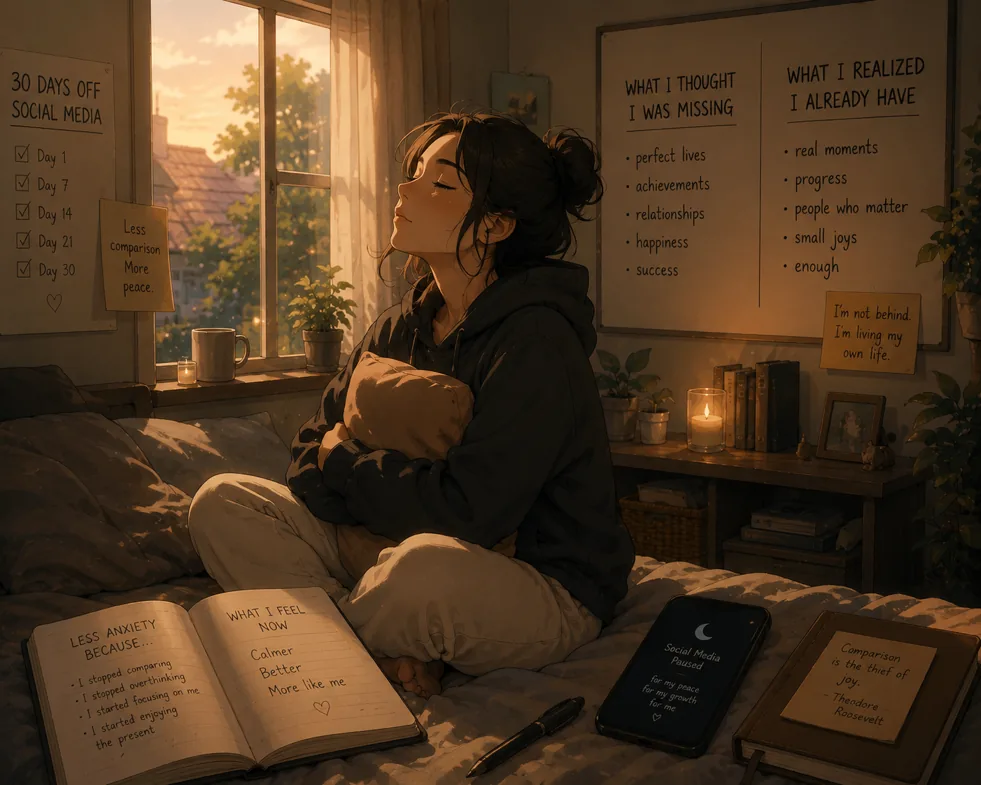
“I want a relationship… but I’m too tired to go through everything it takes to build one.”
It’s a thought more people are starting to admit — quietly. Not because they’ve given up on love, but because the process of finding it has become emotionally exhausting.
Desire for Love Doesn’t Always Lead to Dating
Sarah’s story reflects a shift many people recognize but rarely name out loud. The longing for partnership remains strong—studies consistently show that most single adults hope to find lasting relationships. But desire alone no longer automatically translates into action.
The disconnect happens in that space between wanting someone and actually putting yourself through the process of finding them. People describe feeling stuck between genuine loneliness and an equally genuine reluctance to dive into the mechanics of modern romance.
The Emotional Labor of Looking Feels Too Heavy
What strikes many as particularly draining is the constant emotional availability that dating seems to demand. Text conversations that require immediate responses, the pressure to be charming and interesting before you’ve even met, the mental energy spent analyzing every interaction for signs of interest or rejection.
Maria, a teacher in her thirties, puts it simply: “I have enough emotional work in my actual life. The idea of adding more uncertainty and effort just to maybe find someone feels exhausting before I even start.”
Dating Has Lost Its Sense of Joy
Where dating once carried an air of possibility and excitement, many now approach it with the enthusiasm typically reserved for filing taxes. The process has become methodical, strategic, and surprisingly joyless.
Friends compare dating app strategies like battle plans. First dates feel more like job interviews. The spontaneous chemistry that people hope for gets buried under layers of optimization and efficiency.
Disappointment Feels Inevitable Rather Than Occasional
Perhaps most telling is how people now expect things to go wrong. Ghosting, last-minute cancellations, and mismatched expectations have become so common that many approach new connections already braced for disappointment.
This defensive mindset creates its own problems. When you expect to be let down, it becomes harder to stay open to genuine connection. The protective walls people build to guard against common dating frustrations can also block the very intimacy they’re seeking.
The Fear of Wasted Time Has Grown Stronger
Time feels more precious now, and the possibility of spending weeks or months getting to know someone only to have it fade away without explanation feels like a poor investment to many.
The emotional risk isn’t just about heartbreak—it’s about the opportunity cost of energy and hope. People calculate whether the potential reward justifies the likely emotional expense, and increasingly, the math doesn’t add up in dating’s favor.
Modern Dating Lacks Clear Rules and Expectations
The absence of shared dating norms makes every interaction feel like navigating without a map. When does casual become serious? How often should you text? What does exclusivity mean if no one’s had that conversation yet?
This ambiguity forces people to guess constantly about where they stand, creating a mental load that can feel overwhelming. The energy spent trying to decode mixed signals often exceeds the energy available for actually getting to know someone.
Being Alone No Longer Feels Like Failure
Single life has been quietly rebranded. Where previous generations might have viewed extended singleness as a problem to solve, many now see it as a legitimate lifestyle choice that offers stability and peace.
The social stigma around being unpartnered has softened considerably. People build rich lives around friendships, hobbies, career growth, and personal interests. The narrative has shifted from “still single” to “choosing single.”
This isn’t about giving up on love—it’s about refusing to treat singleness as a temporary inconvenience while waiting for “real life” to begin.
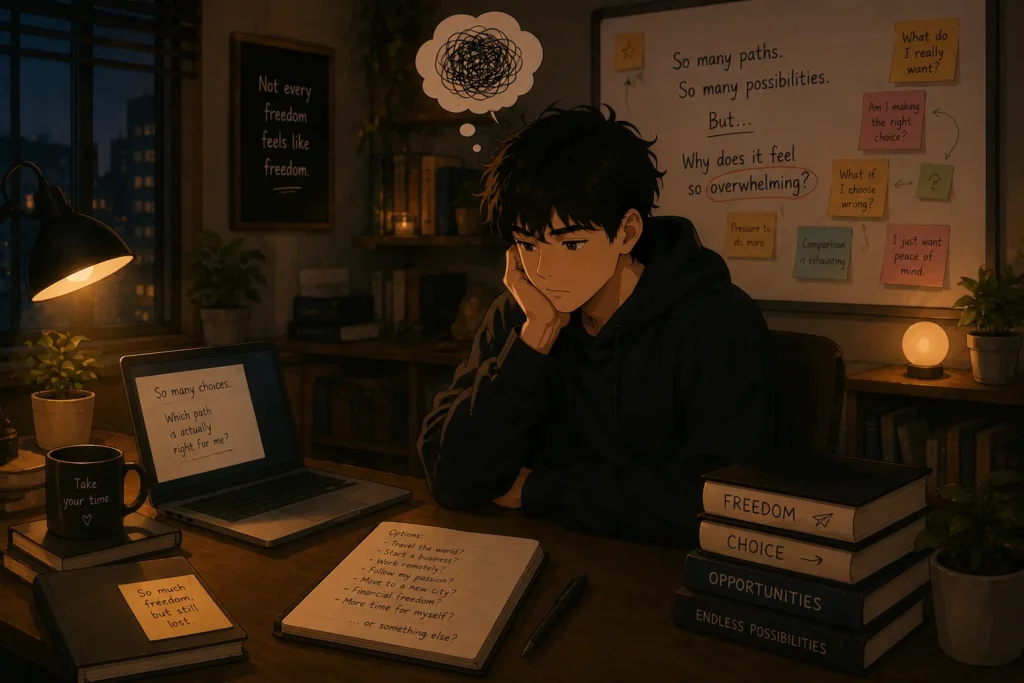
Too Many Choices Create Decision Paralysis
Dating apps promise endless options, but endless options can become their own form of prison. The knowledge that thousands of potential matches exist just a swipe away makes it harder to invest deeply in any one connection.
The abundance of choice encourages a consumer mindset that works against relationship building. Why work through early incompatibilities when the next match might be easier, more exciting, more immediately compatible?
Self-Protection Masquerades as Preference
What looks like choosiness or high standards often reveals itself as emotional self-preservation. Staying single eliminates the risk of rejection, the disappointment of unmet expectations, and the vulnerability required for genuine intimacy.
This avoidance isn’t necessarily conscious or calculated. Many people genuinely believe they’re being selective when they’re actually being protective. The distinction matters because protection-based singleness addresses the symptoms of dating fatigue rather than the underlying desire for connection.
I don’t think people are afraid of love. I think they are tired of the process around it. In a world where everything feels uncertain and fast-moving, relationships—which require time, patience, and emotional investment—can feel overwhelming before they even begin. Choosing to stay single is not always about independence. Sometimes, it’s simply about preserving energy for the life you’re already building, rather than spending it on the exhausting work of finding someone to share it with.