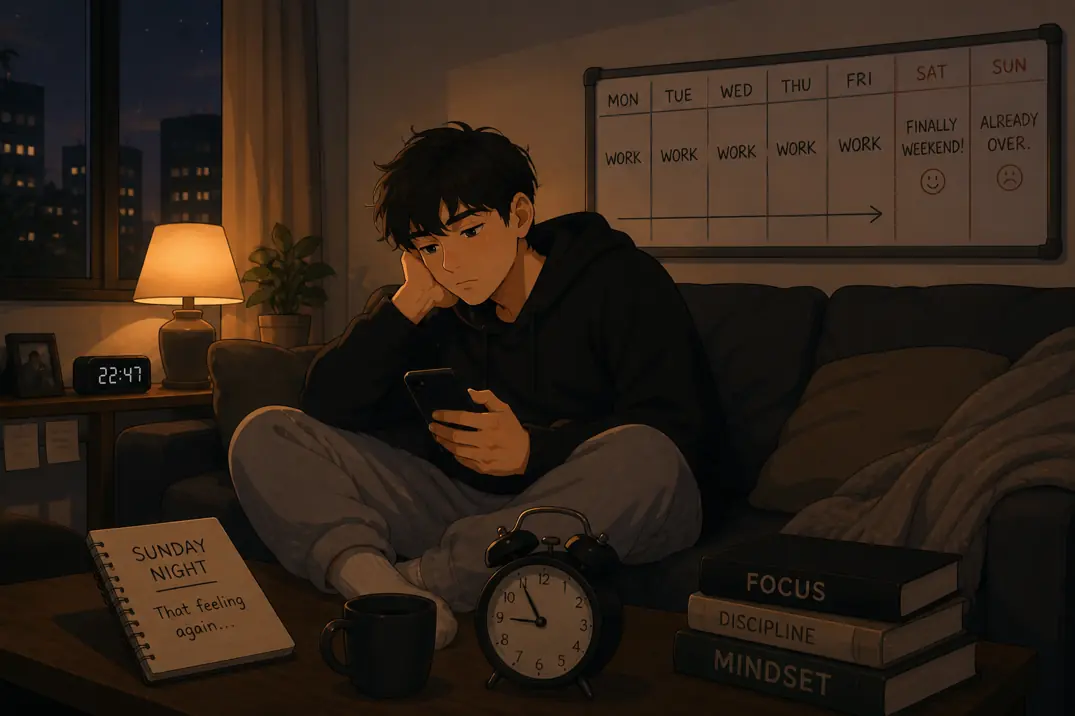
Sunday evening arrives with that familiar weight in your chest. The weekend is ending, but it doesn't feel like you've had a real break. Instead of feeling refreshed, you're mentally cataloging everything you didn't finish and bracing for the week ahead. If weekends don't feel like breaks anymore—just a pause before Monday—you're not imagining things. Something fundamental has shifted in how we experience our time off, and it's worth examining why.
The boundaries that once made weekends sacred have quietly eroded. What used to be clear divisions between work time and personal time now blur into an endless cycle where Saturday and Sunday become extensions of the weekday grind, just with different tasks.
Weekends Become Catch-Up Time Instead of Rest
Walk through any grocery store on Saturday morning and you'll see the evidence: tired faces pushing carts through aisles, checking off items that should have been handled during the week. Weekends have transformed into a staging ground for all the life maintenance that gets pushed aside by demanding work schedules.
The laundry piles up. Bills sit unopened. Doctor's appointments get postponed until Saturday slots open up. What starts as "I'll just knock out a few things" becomes a weekend consumed by delayed responsibilities. The irony is stark—we spend our supposed rest time doing everything we couldn't fit into our work week.
Personal Tasks Take Over Personal Time
People find themselves grocery shopping, cleaning, running errands, and managing household repairs during hours that previous generations might have spent in genuine leisure. The weekend becomes less about restoration and more about basic survival maintenance. By Sunday night, the sense of having had any real break vanishes under the weight of practical necessities.
Work Thoughts Follow You Home
Mental detachment from work has become increasingly difficult as job expectations intensify. Even when the laptop closes, the mind keeps running through tomorrow's meetings, unfinished projects, and workplace tensions. The thoughts don't respect weekend boundaries.
You're physically present at your child's soccer game, but mentally rehearsing Monday's presentation. You're having dinner with friends while quietly worrying about that email you haven't answered yet. This mental spillover robs weekends of their restorative power because true rest requires more than just physical absence from the office.
The Mind Struggles to Switch Off
Professional pressures create a state of chronic mental activation that doesn't automatically shut down on Friday evening. The brain continues processing work problems, anticipating challenges, and maintaining the heightened alertness that work demands. Without conscious effort to redirect this mental energy, weekends become infected by weekday anxieties.
Two Days Feel Insufficient for Real Recovery
Time compression makes weekends feel rushed and inadequate. Five days of accumulated stress, fatigue, and mental strain cannot be easily unwound in just two days—especially when those days are filled with non-work obligations.
Friday night is often spent decompressing from the week. Saturday gets consumed by errands and responsibilities. By Saturday evening, there's a creeping awareness that the weekend is already half over. Sunday carries the double burden of trying to squeeze in actual enjoyment while the approaching Monday casts its shadow over everything.
Recovery Takes More Time Than We Allow
The human nervous system needs time to truly downshift from high-stress periods. Real recovery involves multiple phases: initial decompression, actual rest, and genuine restoration. Two days simply isn't enough time for this process to complete, especially when those days aren't protected for rest.
Digital Connectivity Eliminates True Downtime
Smartphones and constant connectivity ensure that weekends never truly begin. Work emails arrive in your pocket. Social media feeds create their own form of mental stimulation. The boundary between "on" and "off" dissolves when you're always reachable and always consuming information.
Even leisure becomes work-like when it's mediated through screens. Planning weekend activities requires researching restaurants, comparing reviews, coordinating through multiple apps. Digital life creates its own form of mental engagement that prevents the mind from truly resting.
Notifications Maintain Mental Engagement
The ping of notifications keeps the brain in a state of alert readiness that's incompatible with deep rest. Each notification creates a small spike of attention and mental activation. Over a weekend, these micro-interruptions accumulate to prevent the sustained mental quiet that restoration requires.
Rest Requires Deliberate Intention
Rest doesn't happen automatically—it requires intention. Without conscious boundaries and active protection of downtime, weekends default to becoming overflow time for everything else. The culture has shifted to treat rest as something that happens in the leftover moments rather than something that deserves its own space.
People assume that simply not being at work equals rest, but true restoration needs more deliberate cultivation. It requires saying no to some requests, protecting certain hours, and actively choosing activities that genuinely restore rather than drain.
Boundaries Must Be Actively Created
Weekends haven't changed fundamentally—what's changed is how much of the week people carry into them. The solution lies in recognizing that restorative time requires the same kind of intentional planning and protection that we give to important work projects. Without that intentionality, weekends will continue feeling like a brief pause rather than a genuine break.
Monday's Approach Colors the Present
Sunday anxiety is real and widespread. The anticipation of Monday's return begins infiltrating Saturday evening and dominates much of Sunday. This anticipatory dread robs the present moment of its potential for enjoyment and rest.
The approaching work week becomes a psychological weight that presses down on whatever weekend activities remain. Even pleasant Sunday activities carry an undertone of "this is ending soon." The future crowds out the present, making it impossible to fully inhabit weekend time.
The cycle becomes self-reinforcing: poor-quality weekends lead to greater weekday stress, which creates more need for weekend recovery, which gets undermined by the same patterns that prevent real rest. Breaking this cycle requires acknowledging that the feeling of weekends as inadequate pauses isn't inevitable—it's the result of choices about boundaries, priorities, and how we structure our time away from work.