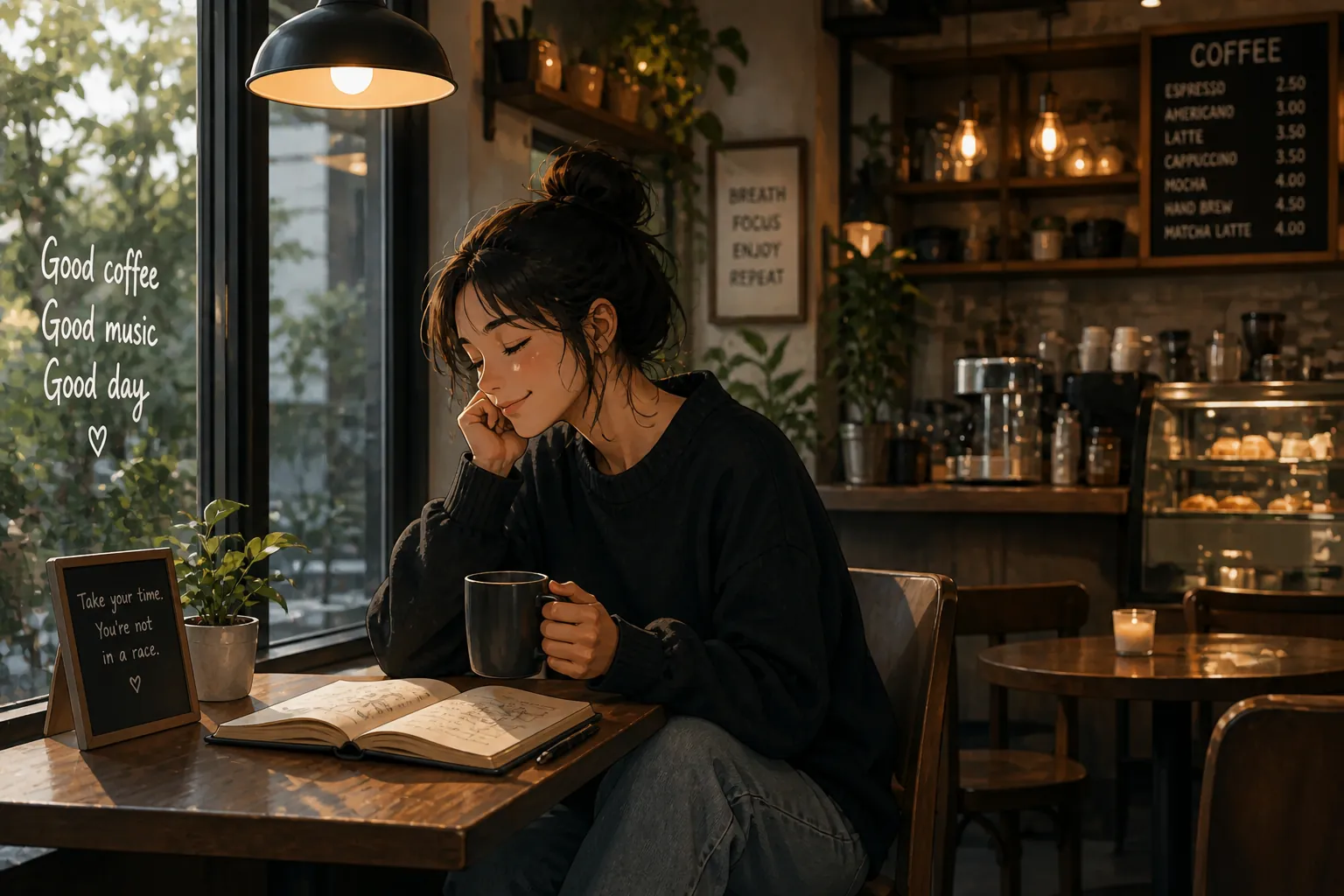
Walk into any coffee shop and you'll see them: people sitting solo with their laptops, earbuds in, creating their own bubble of focus. Scroll through social media and the invitations to group hangouts get fewer responses than they used to. Ask around, and you'll hear more friends saying they're staying in tonight—not because they have to, but because they want to. People are spending more time alone, and contrary to what wellness articles might suggest, not everyone sees this as a problem to solve.
The difference between loneliness and solitude is no longer just emotional—it's intentional. What we're witnessing isn't mass isolation, but a quiet revolution in how people choose to spend their time and energy.
Solitude Has Lost Its Stigma
The old assumption that spending time alone signals something wrong is fading. Many people now view solitude as a comfortable, stable state rather than a temporary condition to escape from. The person eating dinner alone at a restaurant isn't necessarily waiting for friends to join—they might have specifically chosen the experience of dining solo.
This shift shows up in small, everyday moments. People work from cafes not to be around others, but to control their social environment. They choose solo travel, solo movie outings, and solo walks without feeling the need to justify these choices. The narrative has flipped from "alone until someone better comes along" to "alone because this feels right."
Solitude Becomes a Lifestyle Choice
For many, spending time alone isn't about avoiding people—it's about creating space for thoughts to settle and energy to recharge. The guilt that once accompanied turning down social invitations has been replaced by recognition that saying no to others often means saying yes to yourself.
Social Exhaustion Is Real and Growing
Constant interaction, both online and offline, creates a kind of fatigue that previous generations didn't experience. Between work meetings, group chats, social media notifications, and the general expectation to be available and responsive, many people feel socially overloaded.
The modern world asks us to be "on" most of our waking hours. Every text message carries an implicit expectation of response. Every social gathering becomes an opportunity to perform enthusiasm, even when you're running on empty. This isn't sustainable for everyone, and more people are recognizing that stepping back isn't antisocial—it's necessary maintenance.
Digital Connection Adds to the Overload
Social media promised connection but delivered performance pressure. The friend who posts constantly about their active social life might be the same person who feels drained by the constant need to document and share experiences. Taking breaks from both digital and in-person socializing has become a form of self-care that doesn't require justification.
Being Alone Offers Control and Peace
Solitude removes social pressure and unpredictability in ways that feel increasingly valuable. When you're alone, you don't have to navigate other people's moods, preferences, or energy levels. You can eat what you want, watch what interests you, and move at your own pace without negotiation or compromise.
This isn't selfishness—it's efficiency. The mental energy that goes into social coordination, from choosing restaurants everyone likes to managing group dynamics, can be redirected toward personal projects, rest, or simply existing without having to consider anyone else's needs.
The person who chooses to spend Saturday morning alone with coffee and a book isn't missing out on life. They're actively choosing an experience that feels more restorative than stimulating.
Connection Quality Matters More Than Quantity
People are redefining what meaningful connection looks like, and for many, it's becoming less about frequency and more about depth. Rather than maintaining large social circles that require constant upkeep, many are choosing smaller groups of people they can connect with more authentically.
This means fewer casual hangouts and more intentional gatherings. It means being selective about which social obligations deserve your limited energy. The friend who sees you once a month but really sees you might matter more than the acquaintance you grab drinks with every week out of habit.
Deeper Connections Require More Space
Paradoxically, having meaningful relationships often requires more alone time, not less. Processing experiences, understanding your own feelings, and developing your own interests makes you a better friend when you do show up. The time spent alone becomes an investment in the quality of time spent with others.
Independence Has Become More Valued
People are learning to rely less on others for emotional stability and entertainment. This isn't about becoming isolated—it's about developing the ability to enjoy your own company and meet your own needs. The skills that come with comfortable solitude—self-reflection, creative thinking, emotional regulation—make people more resilient overall.
This independence shows up practically too. People are more willing to go to events alone, travel solo, or pursue hobbies that their friend groups don't share. The fear of looking lonely has been replaced by the confidence that comes from knowing you can handle being by yourself.
Choosing Solitude Isn't the Same as Loneliness
For many, spending time alone represents a conscious decision rather than a forced situation. People are not isolating themselves—they are choosing environments where they feel more at ease. The difference is crucial: loneliness is wanting connection and not having it, while chosen solitude is having the option to connect but deciding that alone time serves you better right now.
This distinction matters because it reframes the conversation entirely. Instead of asking how to fix people's tendency toward solitude, we might ask what they've figured out about their own needs that the rest of us are still learning. The person who regularly chooses to be alone might not need saving—they might need recognition for understanding themselves well enough to honor what actually makes them feel centered and content.